KTM X-Bow GT-XR Adds Open-Air Thrills and More Power
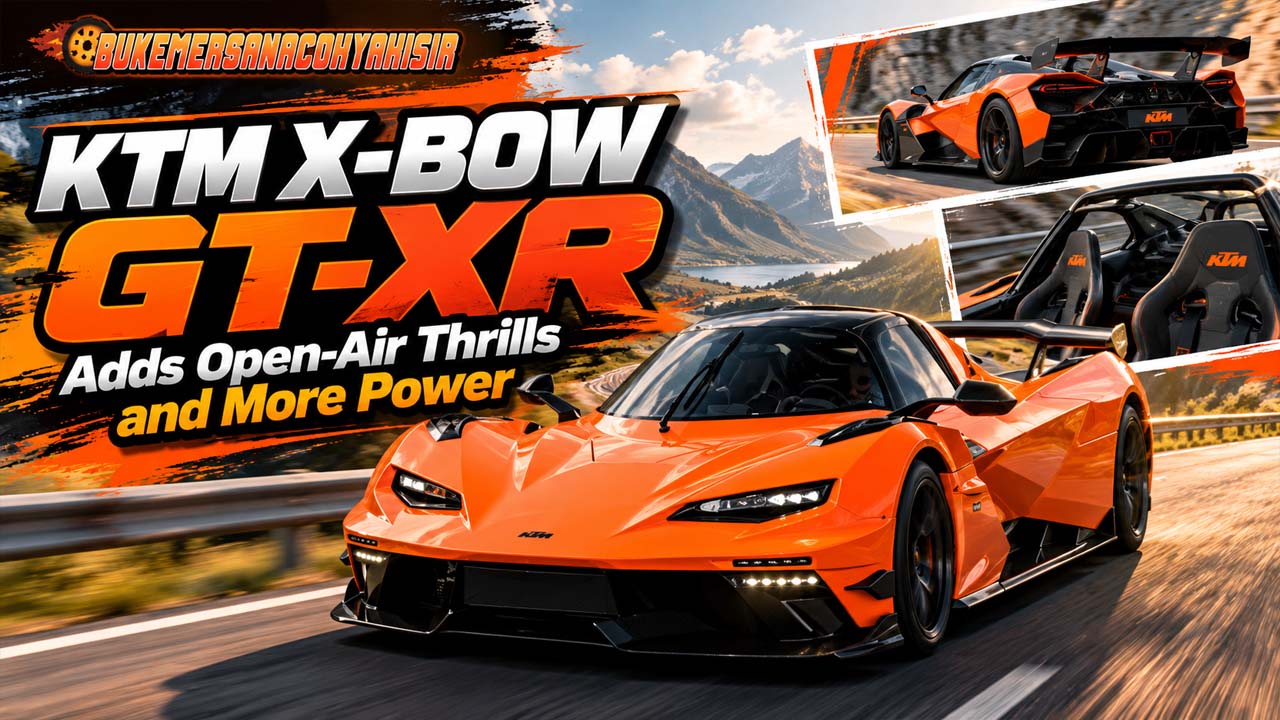
Bukemersanacokyakisir – The KTM X-Bow GT-XR is receiving changes that reach beyond a fresh paint palette. Updated equipment joins two new variants, giving the lightweight sports car different ways to deliver its distinctive thrills. The Spyder introduces removable roof panels, while the EVO concentrates on power and aerodynamics. Meanwhile, conventional mirrors and smartphone connectivity add everyday familiarity. For a car associated with uncompromising track appeal, that combination is interesting. The updates suggest a broader ownership experience without abandoning the unusual character that makes an X-Bow stand apart.
New Ownership Brings Fresh Direction
Financial difficulties prompted KTM to sell its sports car business, with a Belgian investor group taking ownership in August 2025. Rally driver Guillaume De Mevius led the acquisition. The resulting company, KTM X-BOW Onroad GmbH, has since been developing the updated GT-XR range. Importantly, the ownership change concerns the four-wheeled operation rather than a purchase of KTM’s entire motorcycle business. For enthusiasts, the meaningful development is continued investment in the car. These updates give the new operation a visible product direction rather than leaving its plans as an ownership announcement.
Carbon Mirrors Replace Cameras as Standard
One noticeable change is the arrival of carbon wing mirrors as standard equipment. However, buyers can still choose the previous camera-based rearview system as an option. That creates a straightforward choice between familiar mirrors and the alternative digital arrangement. A Capristo exhaust also joins the standard specification, adding another distinctive component to the package. Together, these changes address both appearance and equipment. Still, an exhaust supplier’s name alone cannot establish how the revised car sounds from the driver’s seat. That requires an actual listening experience.
A Seven-Inch Screen Adds Everyday Connectivity
Inside, a new seven-inch central screen brings an integrated sound system, Apple CarPlay and Android Auto. Those features may seem unexpected in a machine with such a focused personality. Nevertheless, they acknowledge that an owner’s journey includes more than laps and pit lanes. Navigation and familiar phone integration can make the drive to a circuit more convenient. From an ownership perspective, this is a sensible addition. A demanding sports car can retain its appeal while offering useful technology for the less dramatic parts of a day behind the wheel.
Track Information Gives the Display Another Purpose
The central screen also has a role beyond music and navigation. On track, it can display performance information, including a G-meter, lap timer and temperature readings. Consequently, the same interface serves different needs depending on where the car is being driven. Lap timing can help organise a session, while temperature information gives the driver additional context about the vehicle. However, those readouts should support awareness rather than compete for attention during a corner. The strongest idea here is versatility: one display brings together entertainment functions and information relevant to circuit use.
The GT-XR Spyder Opens Up the Experience
For drivers who want a closer connection with their surroundings, the GT-XR Spyder adds removable roof panels. There is also space to store them in the luggage compartment. As a result, choosing open-air driving does not necessarily mean leaving the panels behind. That practical detail gives the variant more flexibility during a journey. Its appeal is easy to imagine: less separation from the air, engine noise and changing scenery. However, the available information does not establish differences in weight, rigidity or acceleration, so those remain separate questions.
Also Read : Kenneth Walker Sparks Attention After Skipping Seahawks Handshakes
The GT-XR EVO Raises Output to 592bhp
Meanwhile, the GT-XR EVO combines the previous Factory 600 Package with the EVO Aero Kit. Its Audi RS3-derived, turbocharged 2.5-litre five-cylinder produces 592bhp and 502lb ft of torque. Those figures compare with 493bhp and 429lb ft in standard form. A larger turbo and revised intakes contribute to the increase. In numerical terms, the EVO gains 99bhp, or roughly 20 per cent more power. That is a substantial rise, although output alone does not reveal how progressively the engine delivers its performance or how approachable it feels on track.
Revised Aero Gives the EVO a Sharper Focus
Alongside its engine upgrades, the EVO receives a revised front splitter and additional dive planes. These components give the variant a more aggressive appearance and underline its aerodynamic focus. However, without published comparative figures, the size of any downforce increase should not be assumed. Nor does a more elaborate body package automatically establish a particular lap-time advantage. The interesting distinction is how the range now separates its priorities. Whereas the Spyder emphasises an open-air experience, the EVO offers buyers a more powerful specification with additional aerodynamic hardware.
ICONIX Adds a More Personal Finish
Finally, the ICONIX Programme expands the opportunity to personalise an X-Bow. Buyers can explore distinctive interior materials, bespoke exterior colours and personalised plaques. That approach fits a car whose appeal already depends heavily on individuality. Still, the most worthwhile choices will reflect how an owner intends to enjoy it. A preferred cabin finish or carefully chosen colour can make the car feel personal without changing its driving purpose. With updated standard equipment, two distinct variants and broader customisation, the GT-XR now offers more decisions before the first drive even begins.


Post Comment