Best Off-Road Estate Cars: Versatile Wagons Built for Adventure
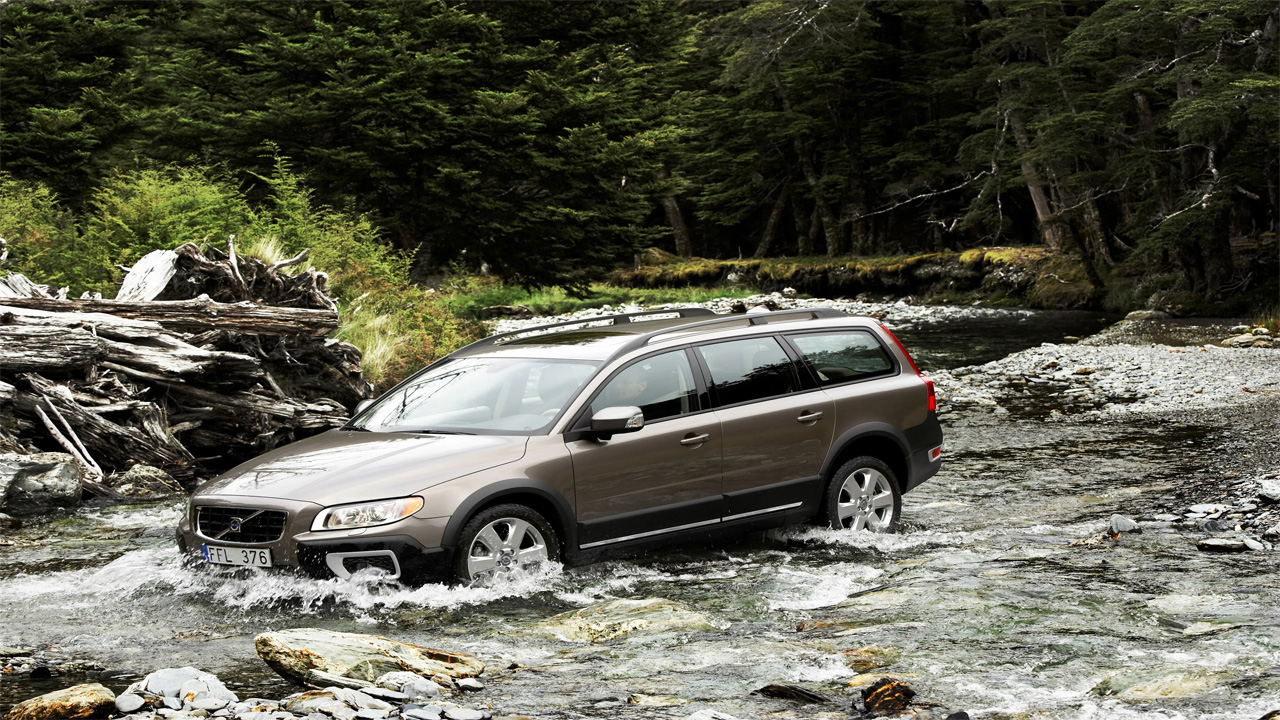
Bukemersanacokyakisir – Estate cars, also known as station wagons, have long been associated with practicality, comfort, and family-oriented driving. However, over the years, this traditional segment has undergone a remarkable transformation. Today, a new breed of estate cars combines everyday usability with genuine off-road capability, creating a unique category that appeals to adventurous drivers who still value comfort and efficiency.
This evolution did not happen overnight. As consumer preferences shifted toward more versatile vehicles, automakers began experimenting with raised ride heights, all-wheel-drive systems, and rugged styling. The result was a hybrid concept that sits somewhere between a traditional wagon and a sport utility vehicle. Unlike bulky SUVs, these vehicles maintain a lower center of gravity, which enhances handling and fuel efficiency while still offering improved ground clearance.
Moreover, off-road estate cars cater to drivers who need flexibility. Whether navigating urban streets during the week or exploring rough terrain on weekends, these vehicles offer a balanced solution. This growing demand has encouraged manufacturers to refine the segment, introducing models that deliver both performance and practicality.
As a result, off-road estates have carved out a distinct niche in the automotive market. They are no longer seen as unconventional but rather as smart alternatives for drivers seeking versatility without compromising driving dynamics.
AMC Eagle: The Pioneer of the Crossover Concept
The AMC Eagle is often credited as one of the earliest examples of what we now call a crossover vehicle. Introduced in the late 1970s and early 1980s, it combined the comfort of a passenger car with the ruggedness of an off-road vehicle. Available in multiple body styles, including a station wagon, the Eagle quickly gained attention for its innovative design.
What set the AMC Eagle apart was its standard all-wheel-drive system, a feature rarely seen in passenger cars at the time. This allowed it to handle challenging weather conditions such as snow and ice with ease. Consequently, it became a popular choice in regions with harsh winters and was even adopted by the National Ski Patrol in the United States.
In addition to its practicality, the Eagle demonstrated that a vehicle did not need to be a traditional off-roader to perform well in difficult conditions. Its raised suspension and rugged underpinnings provided enough capability for light off-road use, while still maintaining on-road comfort.
Also Read : Lufthansa Pilots Strike, Threatening Disruption to Thousands of Flights
The legacy of the AMC Eagle continues to influence modern automotive design. It laid the groundwork for today’s crossover and off-road estate vehicles, proving that versatility could be achieved without sacrificing everyday usability.
Peugeot 505 Dangel: A French Take on Rugged Utility
During the 1980s, French company Dangel introduced a unique concept by transforming the Peugeot 505 Break into a capable off-road machine. This conversion was not merely cosmetic; it involved significant mechanical upgrades that turned a standard estate car into a rugged all-terrain vehicle.
The modifications included increased ground clearance, the addition of a four-wheel-drive system, and shorter gear ratios to improve performance on rough terrain. Impressively, Dangel even offered conversions for the larger eight-seat Familiale version, making it one of the most versatile off-road estates of its time.
This approach highlighted the adaptability of estate cars. With the right engineering, a family vehicle could be transformed into a capable explorer. It also demonstrated the innovative spirit of smaller companies that were willing to push boundaries in automotive design.
Today, the Peugeot 505 Dangel remains a fascinating example of how creativity and engineering can redefine a vehicle’s purpose. It stands as a testament to the potential of estate cars beyond their traditional roles.
Audi Allroad Quattro: Luxury Meets All-Terrain Capability
The Audi Allroad Quattro represents a more modern interpretation of the off-road estate concept. Based on the Audi A6 Avant, it introduced a range of features designed to enhance both comfort and off-road performance. First launched in the early 2000s, the Allroad quickly established itself as a premium option in this segment.
One of its standout features is the adjustable air suspension system. This allows drivers to raise or lower the vehicle depending on driving conditions, providing flexibility for both highway cruising and rough terrain. Additionally, Audi’s renowned quattro all-wheel-drive system ensures excellent traction in all weather conditions.
The availability of powerful engine options, including a 4.2-litre V8, further enhances its appeal. This combination of performance, luxury, and versatility makes the Allroad a compelling choice for drivers who demand more from their vehicles.
By blending high-end comfort with rugged capability, Audi has successfully elevated the off-road estate segment. The Allroad proves that practicality and luxury can coexist in a single package.
Peugeot 508 RXH Hybrid4: Innovation Through Hybrid Technology
The Peugeot 508 RXH Hybrid4 brings a unique approach to the off-road estate category by incorporating hybrid technology. Unlike traditional all-wheel-drive systems, this model uses a diesel engine to power the front wheels and an electric motor to drive the rear wheels.
This innovative setup not only improves fuel efficiency but also provides additional traction when needed. As a result, the vehicle can adapt to different driving conditions while maintaining lower emissions. This makes it an appealing option for environmentally conscious drivers who still require versatility.
In terms of design, the 508 RXH features rugged styling elements such as protective cladding and increased ride height. These enhancements reinforce its off-road credentials while maintaining the sleek appearance of a modern estate car.
The Hybrid4 system represents a forward-thinking approach to automotive engineering. It demonstrates how alternative powertrains can be integrated into vehicles designed for diverse driving environments.
Toyota Tercel 4WD Estate: Practicality and Reliability Combined
The Toyota Tercel 4WD Estate is a prime example of how simplicity can lead to effectiveness. Introduced in the 1980s, this vehicle offered a selectable all-wheel-drive system that provided additional traction when required.
By utilizing components from other Toyota models, such as the Corolla, the Tercel maintained a high level of reliability while keeping costs manageable. Its straightforward design made it accessible to a wide range of drivers, particularly in regions with challenging weather conditions.
Despite its modest specifications, the Tercel proved to be highly capable. It could handle rough roads and slippery surfaces with confidence, making it a practical choice for both urban and rural environments.
The enduring reputation of the Tercel highlights the importance of reliability and functionality. It serves as a reminder that advanced technology is not always necessary to achieve effective performance.
Subaru Outback: The Benchmark for Off-Road Estates
The Subaru Outback has become synonymous with the off-road estate segment. Since its introduction, it has consistently delivered a combination of comfort, durability, and all-terrain capability that appeals to a broad audience.
Built on the Subaru Legacy platform, the Outback features a raised suspension and the brand’s signature all-wheel-drive system. These elements provide excellent stability and traction, making it suitable for a variety of driving conditions.
One of its defining characteristics is the use of a boxer engine, which contributes to a lower center of gravity and improved handling. Additionally, the spacious interior and large cargo area make it ideal for long यात्रneys and outdoor adventures.
The Outback’s popularity reflects its ability to meet the needs of modern drivers. It continues to set the standard for what an off-road estate car can achieve.
Volvo V90 Cross Country: Scandinavian Elegance with Rugged Capability
The Volvo V90 Cross Country offers a refined take on the off-road estate concept. Combining Scandinavian design with practical features, this vehicle delivers both style and substance.
Equipped with all-wheel drive and optional air suspension, the V90 Cross Country is well-suited for challenging conditions. Its advanced safety features further enhance its appeal, making it one of the most secure vehicles in its class.
Inside, the cabin reflects Volvo’s commitment to comfort and quality. Premium materials and a minimalist design create an environment that is both luxurious and functional. Meanwhile, the spacious cargo area ensures that practicality is not compromised.
By blending elegance with capability, the V90 Cross Country stands out as a sophisticated option in the off-road estate segment. It demonstrates that rugged performance does not have to come at the expense of refinement.
Alfa Romeo 156 Crosswagon Q4: A Sporty Twist on the Formula
The Alfa Romeo 156 Crosswagon Q4 brings a distinctive Italian flair to the off-road estate category. Introduced in the mid-2000s, it follows the classic formula of increased ride height, all-wheel drive, and rugged styling.
What sets the Crosswagon apart is its sporty character. Alfa Romeo infused the vehicle with dynamic handling and a unique design, making it more engaging to drive than many of its competitors. However, it notably lacked the iconic Busso V6 engine, which some enthusiasts felt was a missed opportunity.
Despite this, the Crosswagon remains an interesting entry in the segment. It highlights how different manufacturers interpret the concept of an off-road estate, each bringing their own identity to the table.
Ultimately, the Alfa Romeo 156 Crosswagon Q4 adds diversity to the lineup of off-road estates. It proves that practicality and driving enjoyment can coexist in unexpected ways.