End of an Era: AC Schnitzer to Cease BMW Tuning Operations by 2026
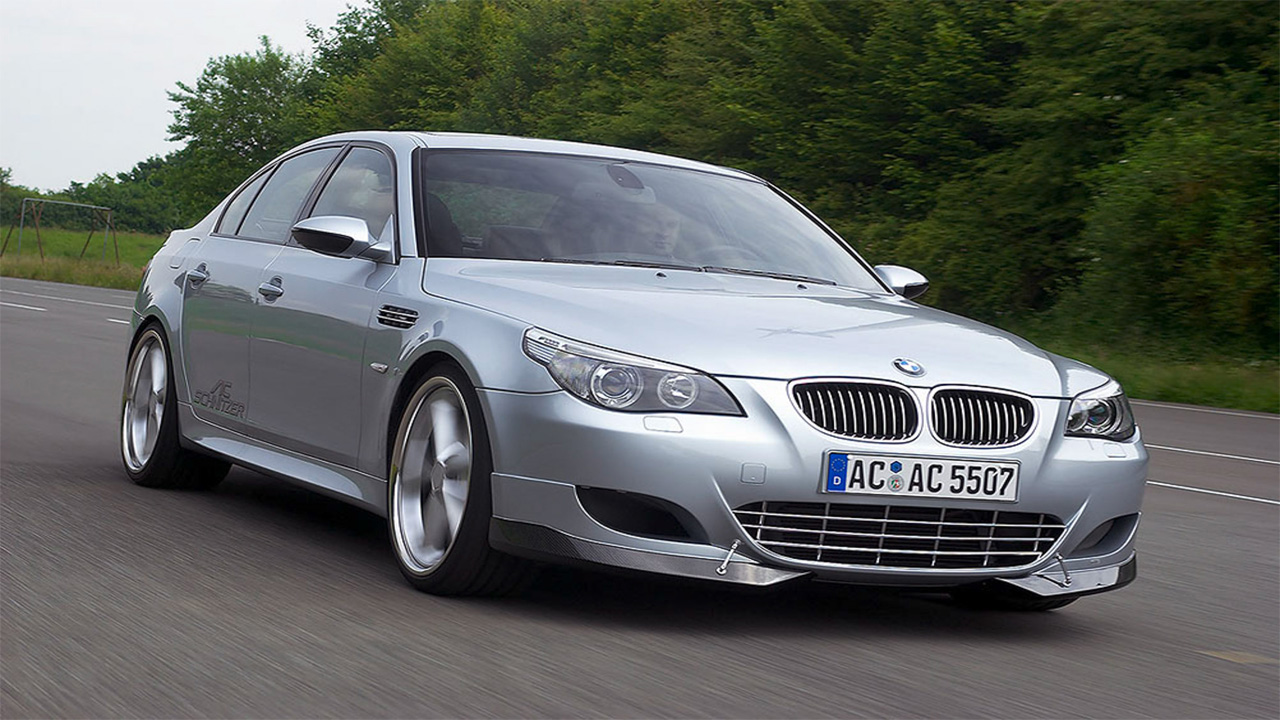
Bukemersanacokyakisir – BMW tuning specialist AC Schnitzer has officially announced that it will cease operations by the end of 2026. This decision marks the conclusion of a journey that began in 1987, when the company first modified the BMW E32 7 Series. Over nearly four decades, AC Schnitzer built a reputation as one of the most respected names in the BMW tuning world.
However, despite its legacy, the company now faces mounting challenges that have made its business model increasingly difficult to sustain. As a result, the announcement signals not just the end of a company, but the closing chapter of a significant era in automotive customization.
Rising Costs and Regulatory Challenges Impact the Business
One of the primary reasons behind the closure is the rising cost associated with designing, developing, and producing aftermarket parts. According to the company, these increasing expenses have created a clear competitive disadvantage in a rapidly evolving market.
In addition, AC Schnitzer highlighted the lengthy approval process required in Germany. This regulatory hurdle has significantly delayed the release of new products. Consequently, the company often brings parts to market eight to nine months later than competitors, which severely impacts its competitiveness.
Managing director Rainer Vogel emphasized this issue, noting that such delays make it difficult to keep pace with international rivals. Therefore, the regulatory environment has become a major obstacle for the company’s continued growth.
Also Read : Leonardo DiCaprio’s New Film Goes Viral with Jennifer Lawrence in Comeback
Changing Customer Behavior and Market Conditions
Beyond operational challenges, AC Schnitzer also pointed to shifting customer behavior as a contributing factor. The company acknowledged that it has struggled to attract younger customers who no longer share the same enthusiasm for performance tuning as previous generations.
Moreover, global market conditions have become increasingly volatile. Factors such as tariffs, rising raw material costs, and fluctuating exchange rates have added further pressure. Since 2020, these economic uncertainties have created a more difficult environment for niche automotive businesses.
As a result, maintaining profitability in the tuning sector has become significantly more challenging, especially for companies rooted in traditional business models.
The Shift Toward Electrification Adds Pressure
Another key factor influencing the decision is the gradual transition away from internal combustion engines. As the automotive industry moves toward electrification, the demand for traditional performance tuning is expected to decline.
This shift has forced many companies in the tuning space to reconsider their long-term strategies. For AC Schnitzer, adapting to this new landscape would require substantial investment and transformation. Therefore, the company concluded that continuing operations under current conditions would not be sustainable.
A Legacy Built on Performance and Innovation
Founded by Willi Kohl and Herbert Schnitzer in Aachen, AC Schnitzer became synonymous with high-performance BMW tuning. Over the years, the company expanded its portfolio beyond BMW, working on brands such as Mini, Range Rover, and even the Toyota GR Supra.
In addition to tuning road cars, AC Schnitzer also made a name for itself in motorsport. It competed in touring car and rally events, and even set world records with modified vehicles like the E63 M6 and LPG-powered BMW 335i.
Thus, the company leaves behind a legacy defined by innovation, performance, and a deep connection to automotive culture.
Future Uncertain as Brand May Still Be Acquired
Although AC Schnitzer will shut down its operations, discussions are currently underway regarding a potential acquisition of the brand. The parent company, Kohl Group, confirmed that talks with interested parties are ongoing.
Nevertheless, regardless of the outcome, existing inventory will be sold off by the end of the year. This means that while the brand’s future remains uncertain, its current business activities will come to a definitive close.
In the end, the decision reflects a broader shift within the automotive industry, where tradition meets transformation and long-standing icons must adapt—or step aside.