Hyundai Ioniq 3 Debuts as an Aerodynamic Hatchback with Over 300 Miles of Range
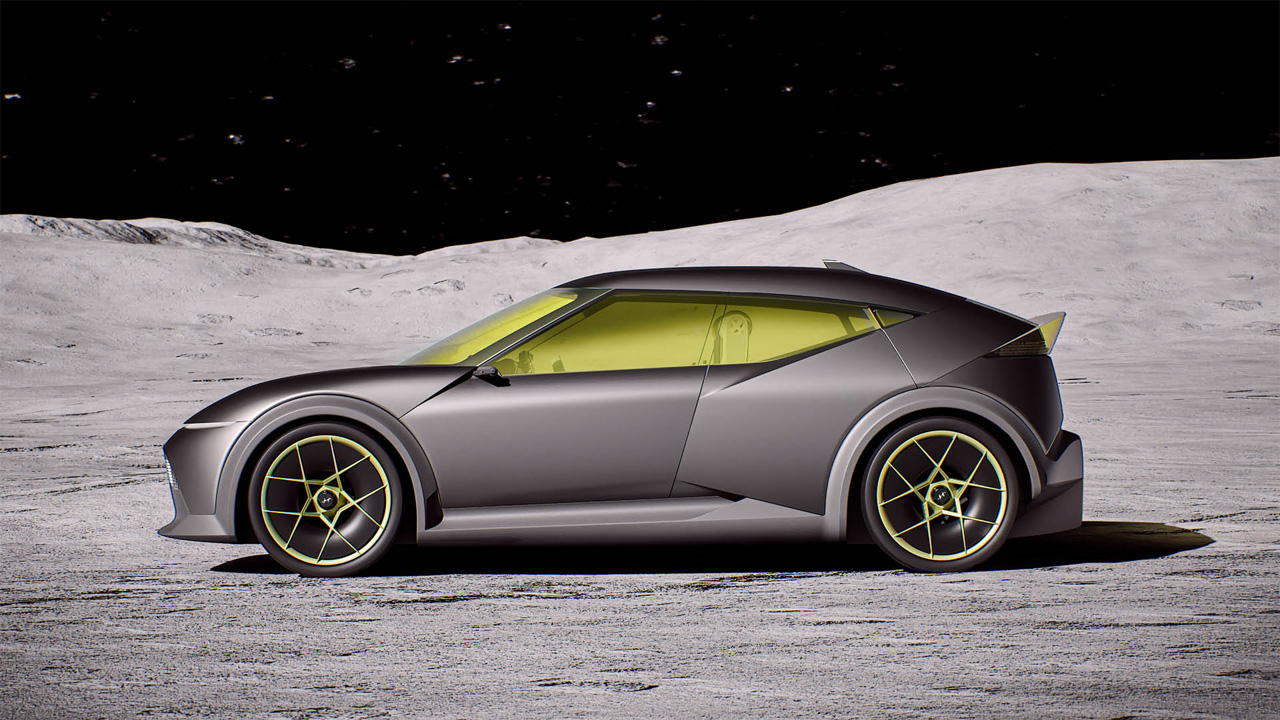
Bukemersanacokyakisir – The arrival of the Hyundai Ioniq 3 marks another bold step in the evolution of practical electric mobility in Europe. Positioned as a sensible yet forward-thinking EV, the Ioniq 3 blends efficiency, modern design, and everyday usability into a compact package. While its performance figures may appear modest on paper, the car’s real strength lies in its balance between range, charging speed, and functionality. As the electric vehicle market becomes increasingly competitive, Hyundai’s latest offering aims to deliver a refined driving experience without compromising practicality.
Battery Options Offer Flexibility for Different Drivers
One of the standout aspects of the Hyundai Ioniq 3 is its dual battery configuration. Buyers can choose between a 42.2kWh battery delivering approximately 208 miles of range or a larger 61kWh battery capable of exceeding 300 miles. This flexibility allows the vehicle to cater to a broad spectrum of drivers, from urban commuters to those requiring longer travel distances. By offering these options, Hyundai ensures that the Ioniq 3 remains accessible while still appealing to drivers seeking extended range capabilities.
Efficient Powertrain Designed for Everyday Use
Under the surface, the Ioniq 3 focuses on efficiency rather than outright performance. The front-wheel-drive setup is powered by electric motors producing either 133bhp or 145bhp. While these figures may not target performance enthusiasts, they are well-suited for daily driving scenarios. The emphasis here is clearly on smooth acceleration, energy efficiency, and reliability. As a result, the Ioniq 3 positions itself as a practical solution for modern mobility rather than a performance-focused machine.
Also Read : IMF Warns of Global Crisis, World Economy Enters Alert Zone by 2026
Fast Charging Capabilities Enhance Usability
Charging convenience plays a crucial role in the appeal of any electric vehicle, and the Ioniq 3 addresses this with its 400-volt architecture. The system enables a rapid recharge from 10 to 80 percent in just 29 minutes. This capability significantly reduces downtime and enhances the car’s usability for longer journeys. Consequently, drivers can enjoy the benefits of electric mobility without the usual concerns associated with charging duration.
Distinctive ‘Aero Hatch’ Design Philosophy
Hyundai has taken a bold approach to styling with the Ioniq 3, describing it as an ‘aero hatch.’ The design follows the brand’s “Art of Steel” philosophy, which emphasizes clean surfaces and natural reflections. Visually, the car bears similarities to a compact version of the Hyundai Ioniq 6, with streamlined proportions and futuristic elements. The inclusion of a pronounced spoiler and diffuser, particularly in the N-Line trim, adds a dynamic edge that hints at potential performance variants in the future.
Signature Pixel Lighting Adds Unique Identity
Lighting plays a significant role in defining the Ioniq 3’s character. Hyundai’s signature pixel lighting design is present at both the front and rear, featuring four central dots that reference the letter ‘H’ in Morse code. This subtle yet creative detail reinforces the brand’s identity while adding a futuristic aesthetic. Such elements contribute to making the Ioniq 3 instantly recognizable on the road.
Spacious Interior Designed for Comfort and Functionality
Inside, the Ioniq 3 offers a flat floor layout that maximizes interior space. The cabin comfortably accommodates five adults, making it suitable for families and daily use. Additionally, the vehicle provides 441 litres of boot space, which surpasses many competitors in its segment. This focus on practicality ensures that the Ioniq 3 remains versatile, catering to a wide range of lifestyle needs.
Advanced Infotainment System Enhances User Experience
Hyundai introduces a new infotainment system in the Ioniq 3, marking its debut in the European market. Based on Android Auto integration, the system offers a seamless digital experience with screen sizes ranging from 12.9 to 14.6 inches. Importantly, Hyundai retains physical buttons for climate control, a feature that many drivers still appreciate. This combination of digital and tactile controls enhances usability while maintaining convenience.
Premium Features Add a Touch of Sophistication
Depending on the chosen specification, the Ioniq 3 includes a range of premium features. Heated and ventilated seats, a Bose sound system, ambient LED lighting, and materials inspired by 1970s Italian furniture contribute to a refined cabin atmosphere. These additions elevate the overall driving experience, making the vehicle feel more upscale despite its practical positioning.
Positioned to Compete in a Growing EV Segment
Although official pricing has yet to be announced, the Ioniq 3 is expected to compete with compact electric crossovers such as the Renault 4 and Ford Puma Gen-E. With its combination of range, practicality, and distinctive design, Hyundai aims to carve out a strong position in this segment. As the EV market continues to expand, the Ioniq 3 represents a thoughtful approach to meeting the evolving demands of modern drivers.