Rally Saudi Arabia, WRC Drivers Say the Event Was Too Extreme for a Title Decider
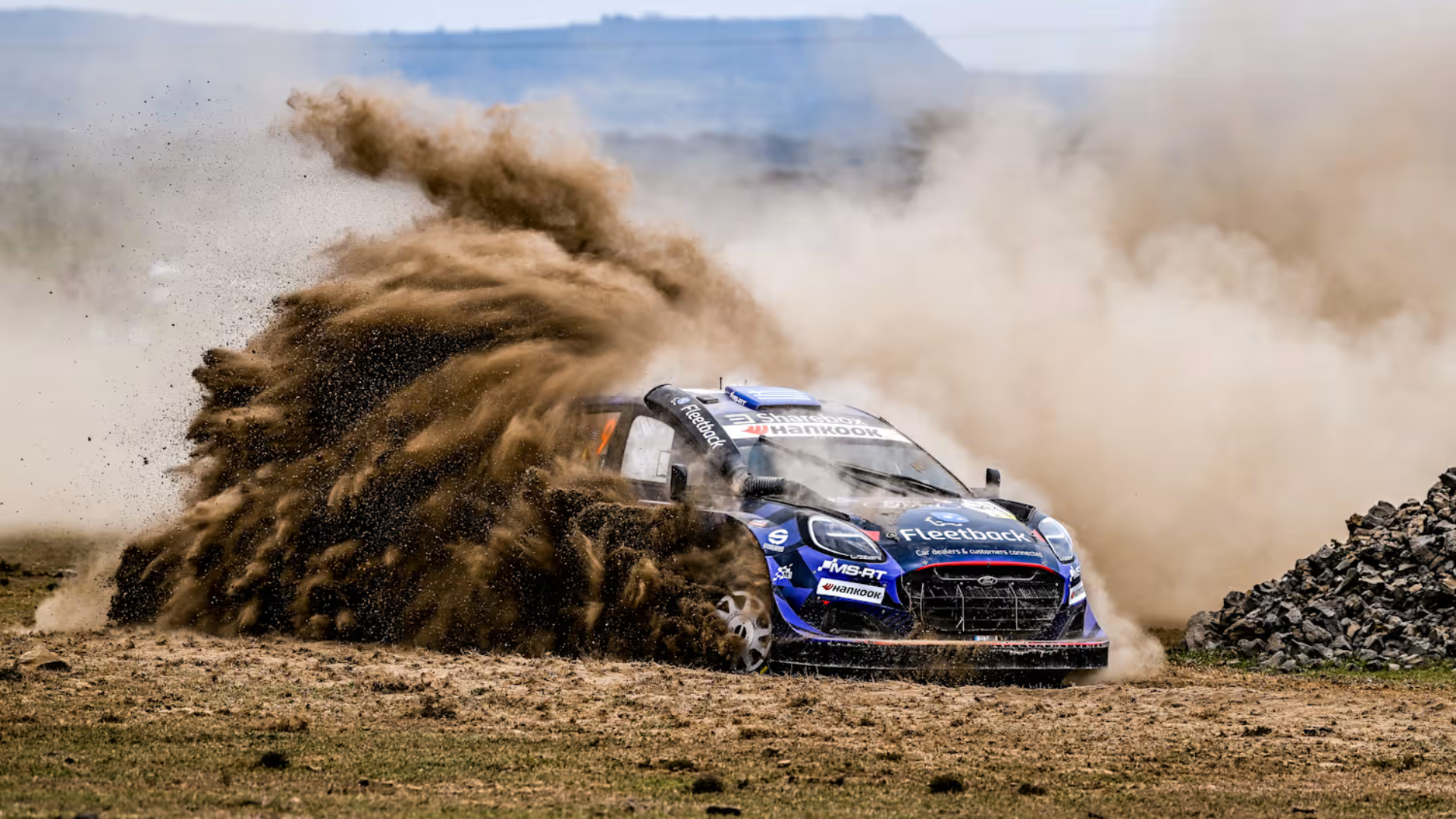
Bukemersanacokyakisir – Rally Saudi Arabia arrived on the WRC calendar with immense anticipation, yet its debut quickly became one of the most polarizing events of the 2025 season. The breathtaking landscapes of Jeddah promised a new era for the championship, but the extreme terrain caught many teams off-guard. Moreover, the sharp rocks, unpredictable ruts, and brutal desert sections created a rally that felt more like a survival test than a title showdown. From my perspective, the event showcased the raw essence of rallying dangerous, beautiful, and unpredictable. However, the level of extremity also raised serious concerns about fairness when championship points were on the line.
“Read also: Carlos Sainz Explains Williams’ Experimental Setup Behind Strong Qatar GP Qualifying“
Why Drivers Felt Rally Saudi Arabia Was Too Harsh for Modern WRC Cars
Although drivers acknowledged the uniqueness of Rally Saudi Arabia, many felt the stages exceeded what the current Rally1 cars and tyres were designed to handle. Every crew suffered at least one tyre problem, and some like Ott Tänak experienced multiple failures in a single afternoon. In my analysis, this level of randomness undermines competition. Rally drivers accept risk, but they expect terrain that tests skill, not luck. Therefore, many argued that the event was thrilling but not engineered appropriately for a season finale. The extremity overshadowed strategy, turning the outcome into a tyre lottery rather than a pure contest of driving mastery.
Sebastien Ogier’s Cautious Warning Before Securing His Ninth World Title
Interestingly, even before clinching his historic ninth championship, Sebastien Ogier already voiced concern about Rally Saudi Arabia hosting the final round. He felt the harshness of the stages eliminated fairness, especially regarding tyre survival. From my standpoint, Ogier’s comments reflect the mindset of a champion who understands that titles should be won through consistency and skill not environmental chaos. Although he ultimately won, his public acknowledgment shows that Rally Saudi Arabia crossed a threshold of acceptable difficulty. His words reveal a deeper issue: the rally may belong in the calendar, but not as a championship decider.
Kalle Rovanperä and Thierry Neuville Echo Similar Sentiments
Kalle Rovanperä also noted that the stages were simply too rough for the existing tyre technology. Additionally, he emphasized that the terrain punished cars in ways that felt unnatural for modern WRC design. Meanwhile, rally winner Thierry Neuville offered a balanced viewpoint. He praised the excitement, visuals, and intensity, but firmly stated that the event should not be the season’s final round. In his opinion, any rally capable of deciding a championship must be fair to all competitors, including those disadvantaged by road position. From my perspective, Neuville’s reasoning reflects the strategic mindset of top-level drivers who value controlled difficulty over chaos.
Organizers Praised Yet Encouraged to Improve Stage Construction
Despite the criticism, WRC officials and team principals agreed that organizers executed the event smoothly. Stages ran on time, logistics worked flawlessly, and the atmosphere was vibrant. M-Sport’s Rich Millener applauded the team behind the rally but admitted improvements were needed. Some sections felt artificially rough, almost as if designed to break tyres rather than challenge drivers. In my opinion, this is a constructive critique. A rally can be extreme without becoming destructive. Therefore, organizers have a strong foundation, but refining road surfaces and adjusting stage profiles will elevate the event significantly.
“Read also: Fastest Police Cars in The World, Machines Built to Chase the Impossible“
FIA’s Response: Acknowledging Feedback and Considering a Calendar Shift
FIA deputy president Malcolm Wilson acknowledged driver concerns while still praising the rally’s spirit. He believed that Rally Saudi Arabia delivered the essence of rallying unpredictable terrain, dramatic stories, and high difficulty. However, he also stated that the FIA would consider moving the event earlier in the season. Based on his comments, I believe the FIA understands the delicate balance between spectacle and fairness. Shifting the rally to mid-season reduces pressure and allows teams to approach it with strategy rather than championship anxiety.
Tyre Supplier Hankook Faces the Harsh Reality of Desert Rallying
Hankook, in its first year as WRC’s tyre supplier, faced immense pressure in Saudi Arabia. The aggressive terrain exposed vulnerabilities in their tyre construction. Yet Hankook representatives remained optimistic, saying the results could have been worse. They recognized the need for development and are already working on improvements. In my analysis, this is a crucial turning point. Rally Saudi Arabia may push tyre engineering forward, much like how past extreme events shaped WRC technology. Consequently, the rally might indirectly accelerate innovation within the sport.
Why Rally Saudi Arabia Still Deserves a Place on the WRC Calendar
Despite its controversies, Rally Saudi Arabia succeeded in one important area: it brought something fresh to the championship. Drivers were challenged, fans were entertained, and the desert backdrop created unforgettable visuals. Moreover, extreme rallies have always been part of WRC’s identity. Kenya, Turkey, and Portugal all had eras of brutal difficulty. What matters is refinement, not removal. Personally, I believe Rally Saudi Arabia has the potential to become one of WRC’s most iconic events so long as safety, fairness, and technical limitations are respected in future editions.