Sebastian Vettel and the Honest Reckoning of a Champion’s Final Years
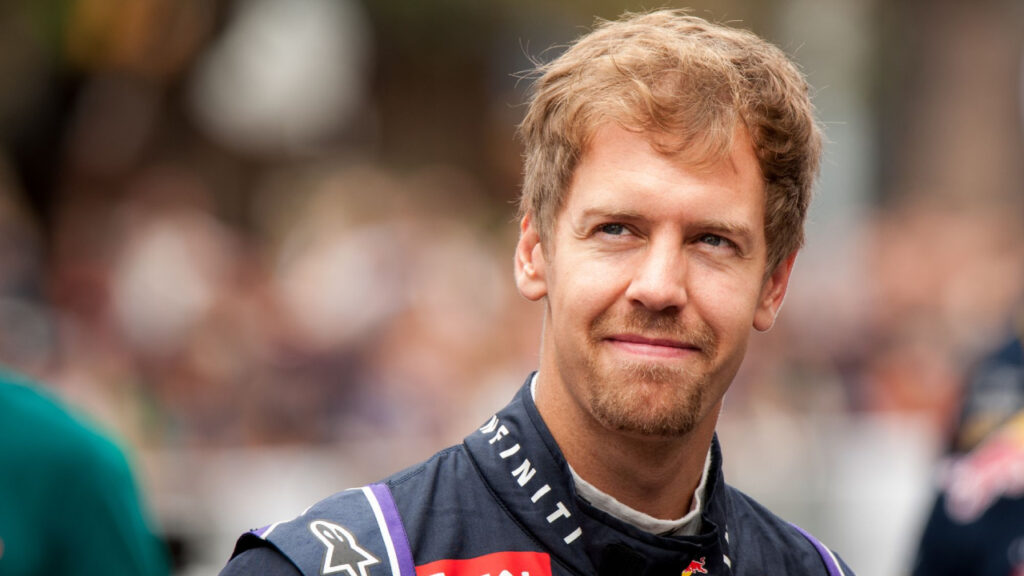
Bukemersanacokyakisir – Sebastian Vettel has never been afraid of introspection, and that quality defines how he now looks back on the closing chapters of his Formula 1 career. Rather than framing his final seasons as a dramatic fall, Vettel describes them as a gradual descent from a peak he had already reached years earlier. From his own perspective, this honesty feels refreshing. It shows an athlete who understands that greatness does not last forever and that recognizing decline can require as much courage as chasing victory. Moreover, Sebastian Vettels reflections highlight a maturity that only comes with time, experience, and self-awareness, qualities that increasingly shaped his identity beyond the cockpit.
“Read also: Brad Keselowski Faces an Unexpected Setback Off the Track“
The Ferrari Years That Defined His Competitive Peak
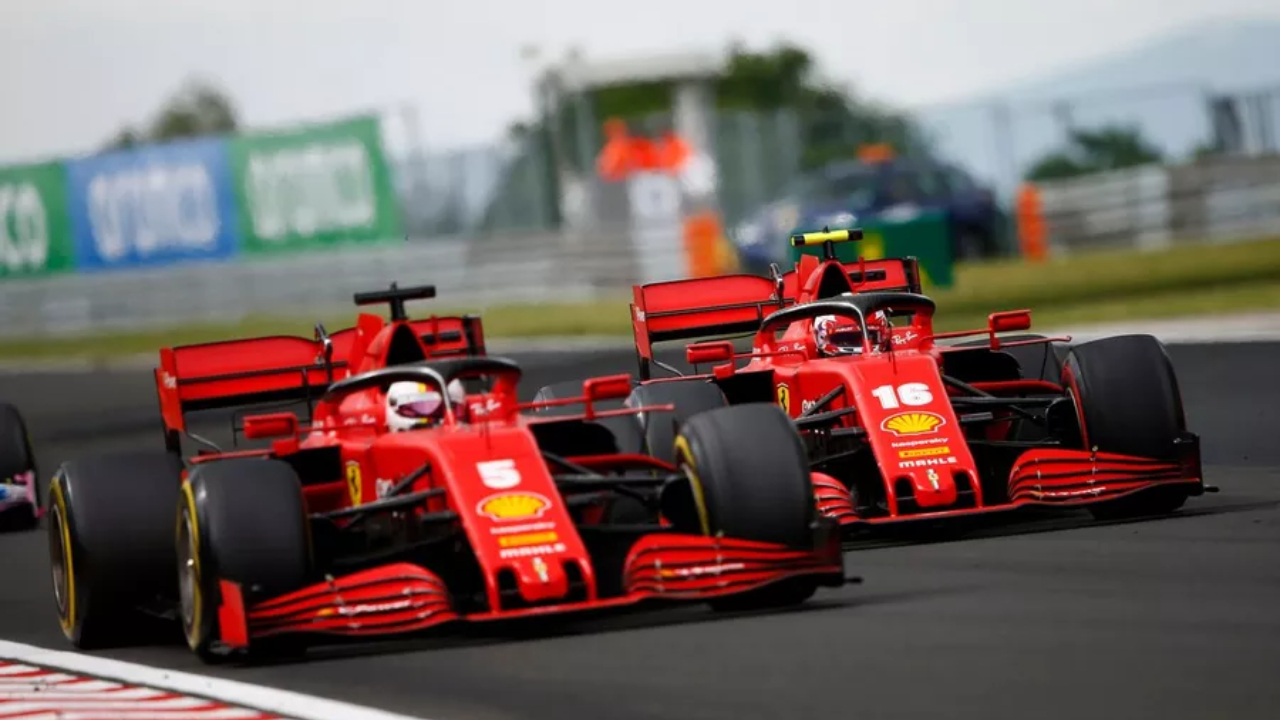
When Sebastian Vettel joined Ferrari in 2015, expectations soared, and for several seasons he delivered. He quickly established himself as the team’s leader, collecting wins and challenging for championships in 2017 and 2018. During those years, his hunger aligned perfectly with Ferrari’s ambitions. However, even at that stage, Sebastian Vettel now admits he had already passed the absolute peak of his career. Still, those seasons mattered deeply. They proved that his skill, racecraft, and determination could rival the very best, even against a dominant Lewis Hamilton. In hindsight, Ferrari represented both the height of his post-Red Bull success and the beginning of a slow internal shift.
The Arrival of Charles Leclerc and a Change in Energy
Everything changed when Charles Leclerc arrived at Ferrari in 2019. Leclerc brought youth, raw speed, and relentless energy, qualities that mirrored Vettel’s own mindset from a decade earlier. As a result, Sebastian Vettel found himself confronting an uncomfortable truth: motivation matters as much as talent. While Leclerc celebrated small steps forward, Vettel measured success only through wins. That difference created a psychological gap. Gradually, Vettel realized that his internal fire no longer burned as fiercely. Importantly, this shift did not erase his ability, but it changed how deeply results affected him, signaling a turning point in his competitive journey.
Motivation, Youth, and the Uneven Playing Field of Careers
Vettel’s reflections underline a reality many elite athletes face. Younger competitors often approach challenges with boundless enthusiasm, while veterans carry the weight of past success. For Vettel, winning had always been the goal, not participation or progress. Therefore, when circumstances no longer aligned with constant victory, frustration crept in. This contrast with Leclerc illustrates how careers exist on different timelines. While talent remains essential, emotional drive and context shape performance just as strongly. Vettel’s honesty here adds credibility to his story, reminding fans that decline rarely comes from a lack of skill alone.
The Pandemic Pause That Changed His Perspective
The COVID-19 pandemic in 2020 offered Vettel something he had never experienced: time away from racing. During that unexpected pause, he reconnected with family life and reflected on broader global issues. Consequently, racing no longer occupied the center of his identity. Instead, personal values, social responsibility, and future concerns began to matter more. This shift did not weaken him as a person, but it altered his priorities. In many ways, the pause accelerated an internal transition that had already begun, moving Vettel further away from the relentless win-at-all-costs mindset.
“Read also: Bernie Collins Warns Cadillac’s Biggest F1 Win in 2026“
Aston Martin and the Search for Self-Reassurance
Despite growing doubts, Vettel chose to join Aston Martin, seeking reassurance that he could still perform at the highest level. This decision reveals vulnerability rather than insecurity. Even four-time world champions question themselves. Vettel openly acknowledged that every driver, including legends like Michael Schumacher, shares this doubt. At Aston Martin, results came slowly, yet Vettel rediscovered comfort in his driving. While he no longer chased an overall peak, he still delivered strong performances. These seasons mattered because they restored confidence and allowed him to compete on his own terms.
Peak Performance Versus Career Peak
Vettel draws a clear distinction between isolated peak performances and an overall career peak. Although he still produced impressive drives later on, he recognized that his sustained dominance belonged to the past. This clarity strengthens his narrative. Instead of clinging to past glory, Vettel embraced reality. He understood that excellence evolves, and personal fulfillment can exist beyond championships. That mindset reflects emotional intelligence and reinforces his credibility as one of the sport’s most thoughtful champions.
A Legacy Built on Honesty, Growth, and Humanity
Ultimately, Sebastian Vettel’s reflections offer more than a career summary. They provide insight into the human side of elite sport. His willingness to admit decline, appreciate growth, and value life beyond racing enhances his legacy. Rather than diminishing his achievements, this honesty elevates them. Vettel leaves Formula 1 not just as a four-time world champion, but as a figure who showed that self-awareness, values, and perspective can define greatness just as powerfully as trophies.