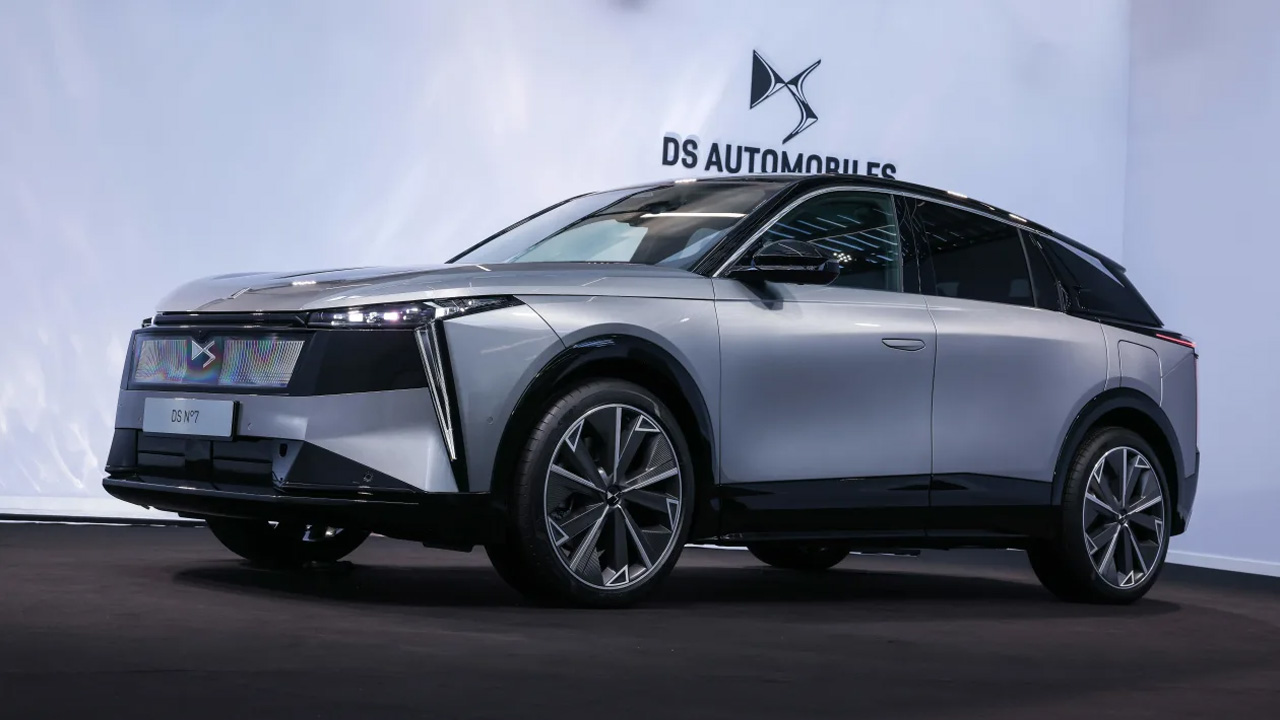
Engine Cylinder Configuration: The Foundation of Modern Powertrains

Bukemersanacokyakisir – Engine Cylinder Configuration plays a central role in determining how an engine delivers power, efficiency, and overall driving character. Although many drivers focus on horsepower, the layout of the cylinders often has a deeper impact on refinement and fuel economy. Moreover, each configuration creates its own emotional experience behind the wheel. Therefore, understanding these designs allows drivers to appreciate how engineering choices translate into real-world sensations.
“Read also: Mercedes GLB Surprises the Market With a Fresh Electric Debut“
Inline Engines Provide Balance and Practicality
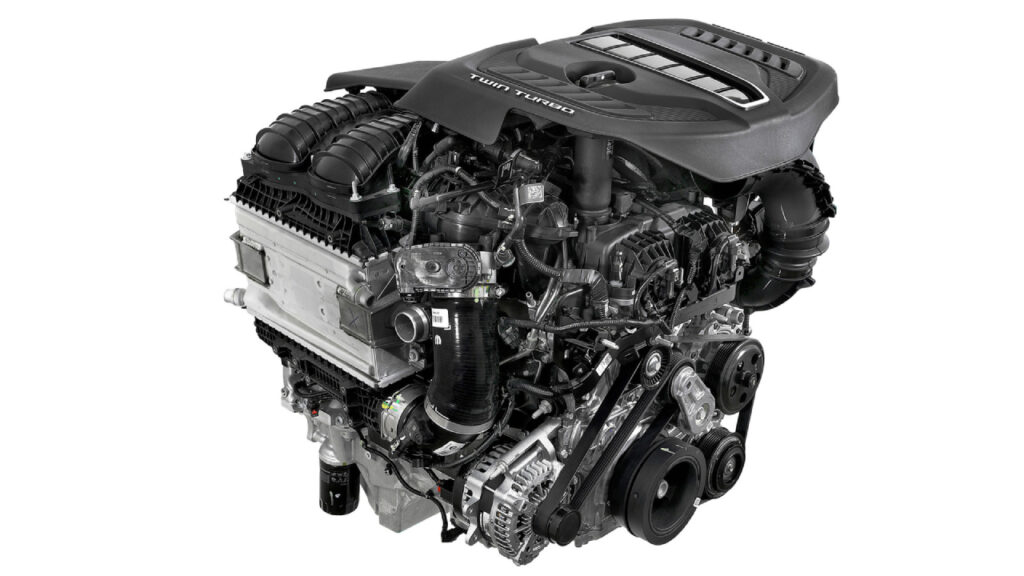
Inline layouts, especially I4 and I6, remain popular because they combine smooth performance with simple construction. Additionally, their straight-row cylinders improve cooling and reduce weight. As a result, the I4 is ideal for compact and efficient daily cars, while the I6 delivers naturally balanced operation with minimal vibration. Consequently, enthusiasts value the inline-six for its refined power delivery and long-standing mechanical harmony.
V Engines Deliver Compact Power and Distinct Character
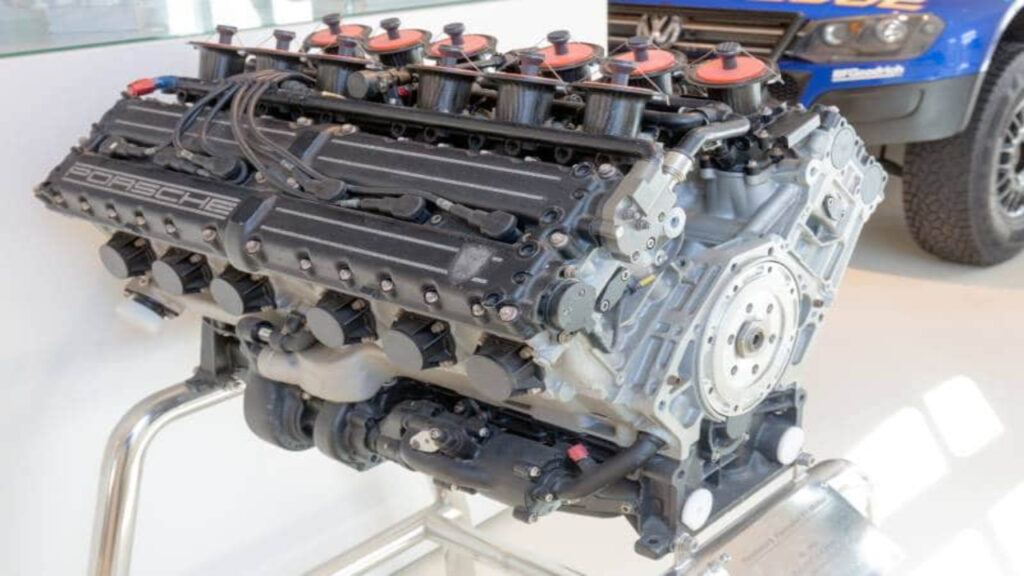
V engines, including V6, V8, and V12, position cylinders at an angle to form a “V” shape. This approach allows engineers to fit more cylinders into a shorter block, thereby increasing power potential without requiring excessive length. Furthermore, V engines produce signature exhaust notes from the deep growl of a V8 to the elegant tone of a V12. Because of these traits, manufacturers often choose V engines for performance cars, luxury sedans, and capable SUVs.
Boxer Engines Enhance Stability Through Low Center of Gravity
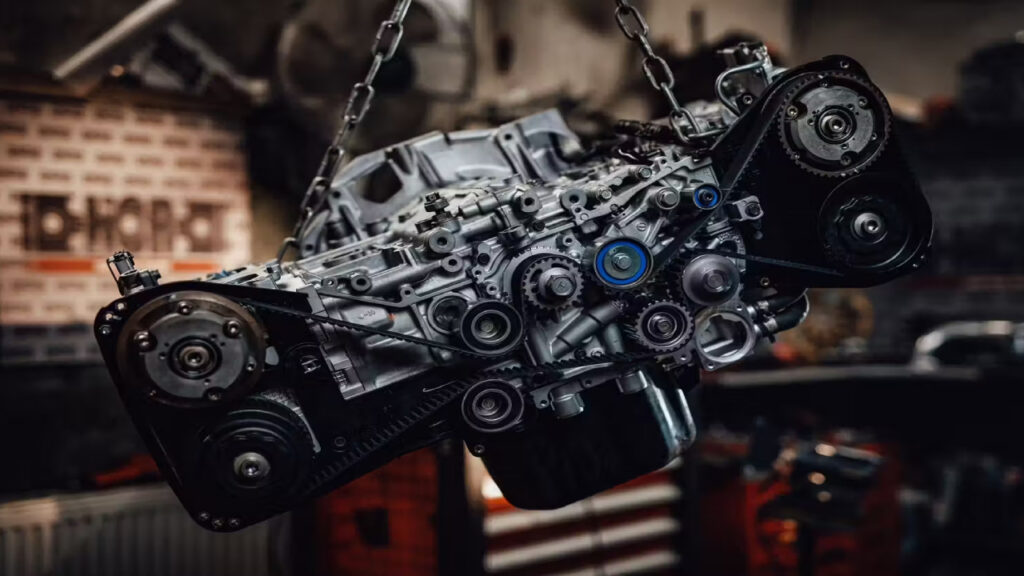
Boxer or flat engines place cylinders horizontally so pistons move in opposite directions. This configuration lowers the vehicle’s center of gravity, which significantly improves handling and cornering stability. Additionally, the opposing piston movement naturally reduces vibration. Subaru and Porsche rely on this layout for its dynamic advantages. Ultimately, although the engine occupies more lateral space, the driving benefits often outweigh the packaging challenges.
W Engines Push Engineering Complexity to the Extreme
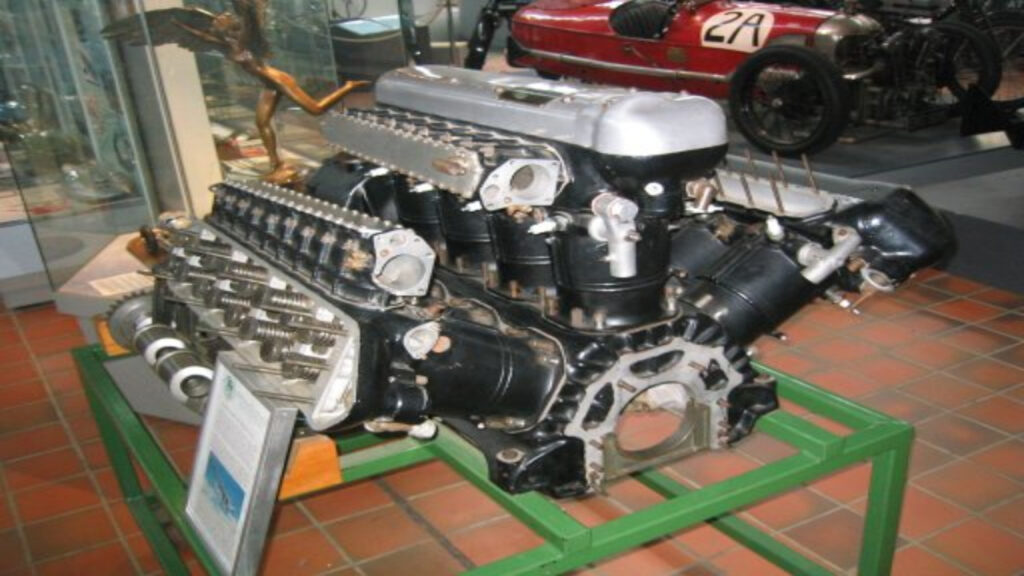
W engines combine two narrow V layouts into one compact power unit. Consequently, automakers can include many cylinders without creating an oversized engine. Brands such as Bentley and Bugatti use W12 and W16 engines to achieve extraordinary performance. Moreover, these engines symbolize the pursuit of engineering excellence, even though they require complex manufacturing and high maintenance standards. Therefore, W engines remain rare and exclusive.
“Read also: Lando Norris Clinches First F1 World Title in Emotional Abu Dhabi Finale“
Rotary Engines Offer Unconventional Power Delivery
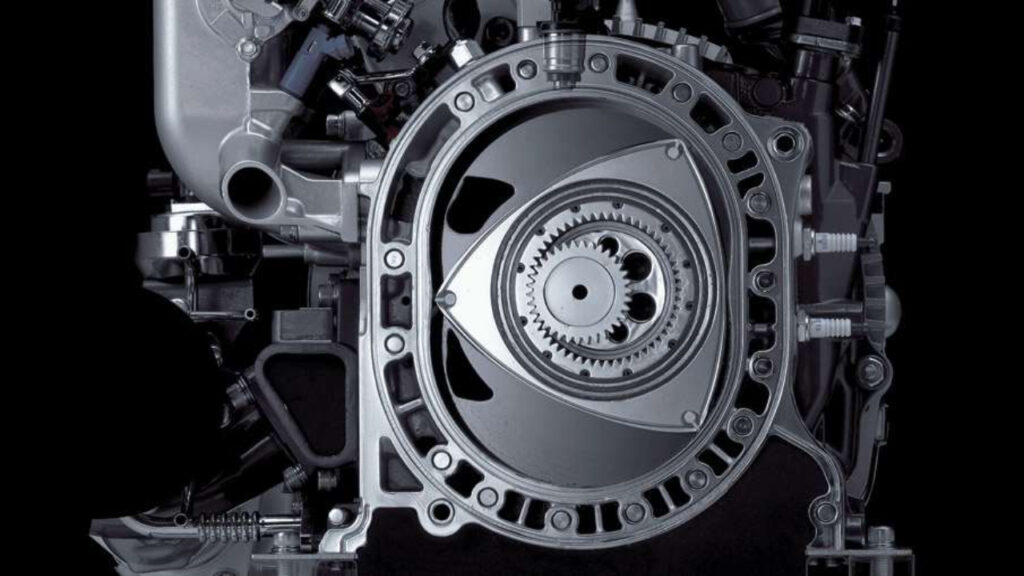
Rotary engines replace traditional pistons with a spinning triangular rotor. This design is compact, lightweight, and capable of high RPM. Additionally, it provides a uniquely smooth power curve that appeals to enthusiasts. However, rotary engines are less efficient and produce higher emissions. Mazda embraced this layout in its RX series, proving that innovation can thrive outside conventional engineering. Consequently, the rotary holds a special place in automotive history.
Choosing the Right Configuration Depends on Purpose
Each Engine Cylinder Configuration exists because different vehicles demand different strengths. Inline engines prioritize simplicity. V engines emphasize power and sound. Boxer engines focus on stability. W engines maximize performance boundaries. Rotary engines highlight creative engineering. Therefore, automakers select configurations based on cost, performance targets, and the emotional identity they want the vehicle to express. Notably, no single layout is perfect for every scenario.
Engine Layout Influences the Entire Driving Experience
A cylinder layout does more than shape mechanical behavior. It also influences sound, response, and driver perception. For example, a V8 feels bold and assertive. Meanwhile, a boxer engine feels grounded and balanced. A rotary engine, on the other hand, offers a lively, high-revving sensation. Consequently, engine architecture becomes part of a car’s personality. Ultimately, understanding these configurations helps drivers connect more deeply with the machines they admire.