Ferrari 849 Testarossa: Brilliant Performance, But Is a V8 Enough to Stir the Soul?
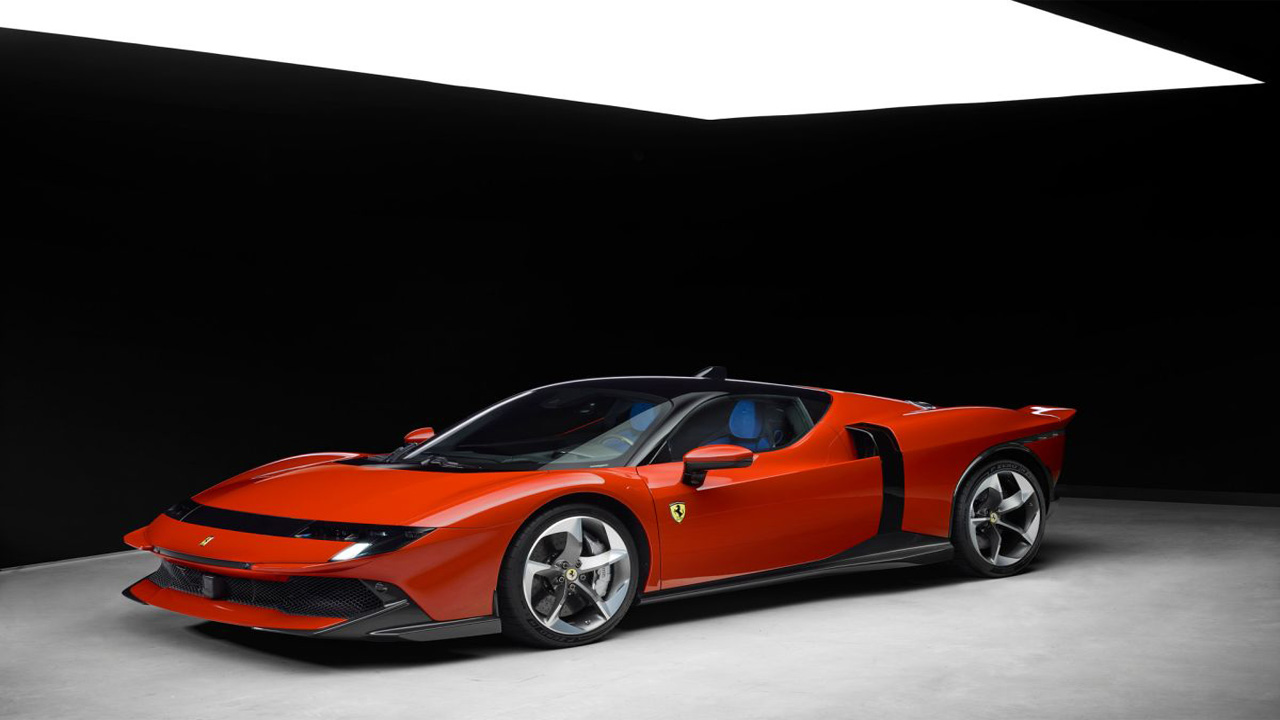
Bukemersanacokyakisir – When Ferrari revived the Testarossa name, it instantly reignited memories of one of the most iconic supercars ever created. The original Testarossa was not just a car—it was a cultural symbol, representing the excess, ambition, and unmistakable style of the 1980s. Bringing that name back in 2026 is, therefore, a bold move that inevitably invites scrutiny from enthusiasts and critics alike.
The new Ferrari 849 Testarossa arrives in a very different automotive landscape, where electrification and hybrid technology are reshaping performance benchmarks. Yet, by choosing to revive such a legendary badge, Ferrari has set expectations sky-high. The question is no longer just about performance—it’s about identity. Can this modern machine truly live up to the emotional and aesthetic legacy of its predecessor?
Interestingly, Ferrari has clarified that the design draws more inspiration from its late-1960s endurance racers, such as the 512 S and 512 M, rather than the original Testarossa. This explains the aggressive aerodynamic features and unconventional rear styling. However, it also raises a fundamental question: does the name still align with the car’s design philosophy?
From the outset, the 849 Testarossa is caught between nostalgia and innovation. It attempts to bridge two eras, but in doing so, it risks satisfying neither completely. That tension defines much of the conversation surrounding this car.
A Divisive Design That Challenges Tradition
The design of the Ferrari 849 Testarossa has proven to be one of its most polarizing aspects. Unlike the clean, instantly recognizable lines of the original, this new model adopts a far more aggressive and complex aesthetic. Sharp angles, aerodynamic elements, and a futuristic silhouette dominate its appearance, creating a look that is undeniably modern—but not universally loved.
Critics have been quick to point out that the car lacks the visual DNA of the classic Testarossa. Some have even called for a return to traditional Ferrari design partners, arguing that the brand has drifted too far from its roots. highlights how reactions range from mild disappointment to outright criticism, with some observers questioning whether the design truly honors the legacy it claims.
Yet, there is another side to the argument. In an era where automotive design must balance performance, aerodynamics, and innovation, clinging too tightly to the past can be limiting. Ferrari appears to have embraced this philosophy, choosing evolution over imitation.
Over time, perceptions may shift. Ferrari has a history of launching controversial designs that later become celebrated. Whether the 849 Testarossa follows that trajectory remains to be seen, but for now, it stands as a bold—and divisive—statement.
Also Read : Beyoncé’s Attendance at the 2026 Met Gala Immediately Attracted Global Attention
Hybrid Powertrain Delivers Stunning Performance
Beneath the controversial exterior lies a technological powerhouse. The Ferrari 849 Testarossa is equipped with a 4.0-liter twin-turbocharged V8 engine, paired with three electric motors. Together, they produce a staggering 1,036 horsepower, placing it firmly among the most powerful road cars Ferrari has ever built.
Performance figures are nothing short of extraordinary. Acceleration from 0 to 62 mph takes just 2.3 seconds, while the top speed exceeds 200 mph. This level of performance is made possible not only by raw power but also by the sophisticated integration of hybrid technology.
The electric motors play a crucial role, particularly in delivering instant torque and enhancing traction through all-wheel drive. The result is a car that feels relentlessly fast, with power delivered seamlessly across the rev range.
Moreover, the eight-speed dual-clutch transmission adds to the intensity of the driving experience. Gear changes are rapid and aggressive, providing a sense of urgency that aligns with the car’s performance credentials.
From a purely technical standpoint, the 849 Testarossa is a triumph. It showcases Ferrari’s ability to combine electrification with traditional performance engineering in a way that feels both cutting-edge and cohesive.
Driving Dynamics That Inspire Confidence and Precision
One of the most impressive aspects of the 849 Testarossa is its driving dynamics. Ferrari has refined the formula established by the SF90, addressing previous shortcomings and delivering a car that feels more balanced and intuitive.
On the track, the car demonstrates exceptional composure. The front axle, once criticized for inconsistency, now feels far more predictable, allowing drivers to push the car with confidence. The steering is sharp and responsive, while the chassis provides a level of feedback that enhances the overall driving experience.
Torque vectoring, enabled by the front electric motors, plays a significant role in maintaining stability and precision. This technology ensures that power is distributed effectively, particularly during cornering, resulting in impressive grip and control.
Even in challenging conditions, such as wet roads, the car maintains a reassuring sense of stability. notes that the vehicle’s control and feedback inspire confidence, making it approachable despite its immense power.
Ultimately, the 849 Testarossa excels in delivering a driving experience that is both thrilling and accessible. It is a car that rewards precision and skill, while still offering a safety net through its advanced systems.
The Engine Question: Performance vs Emotion
Despite its remarkable performance, the Ferrari 849 Testarossa faces criticism in one crucial area: emotional engagement. While the V8 engine delivers immense power, it lacks the character and soul that many enthusiasts associate with Ferrari’s most iconic engines.
At high revs, the engine produces an aggressive and exhilarating sound. However, at lower and mid-range speeds, it can feel less engaging, even harsh at times. points out that the engine, while effective, does not always feel special—a surprising critique for a Ferrari.
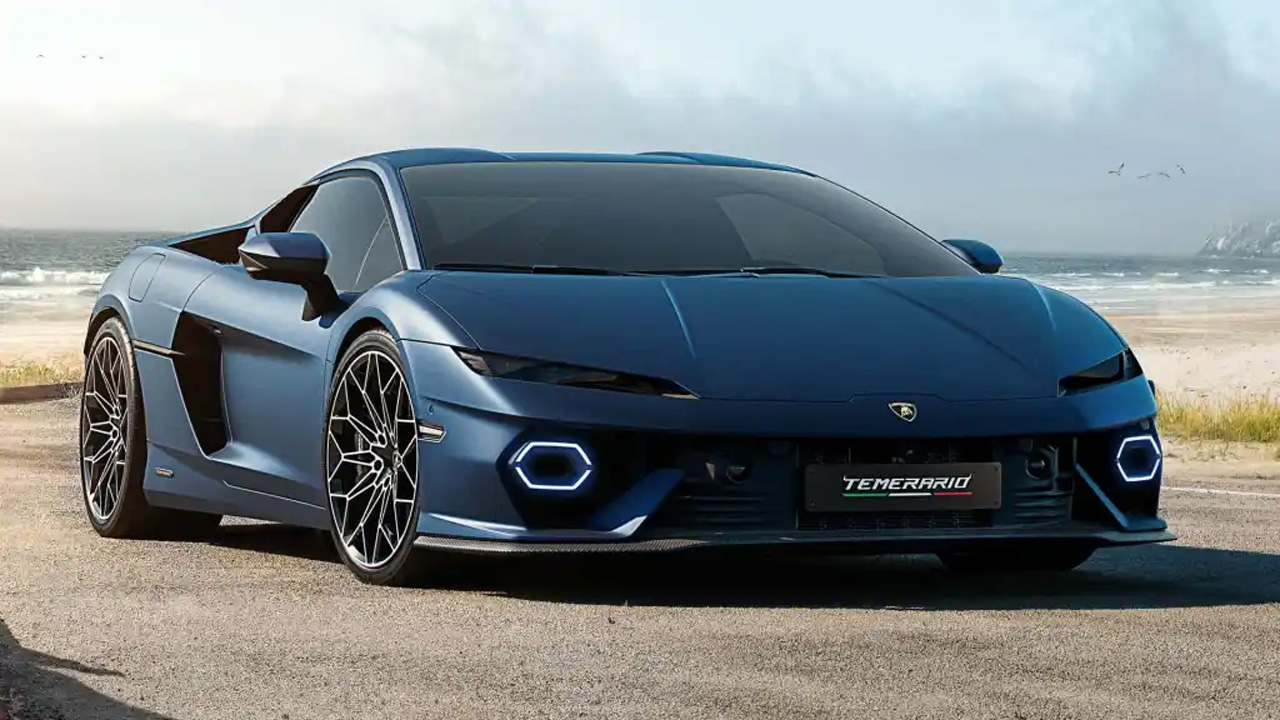
This becomes particularly evident when compared to other models in Ferrari’s lineup. The V6 in the 296 Speciale, for instance, offers a more engaging and dynamic character. Meanwhile, competitors like the Lamborghini Revuelto, with its V12 engine, deliver a level of emotional appeal that is difficult to match.
In this context, the 849 Testarossa raises an important question: is raw performance enough, or does a supercar need to stir the soul as well?
Comparisons with Rivals Highlight Its Strengths and Weaknesses
When placed alongside its rivals, the strengths and weaknesses of the 849 Testarossa become more apparent. In terms of sheer performance, it stands shoulder to shoulder with the best in the segment. Its hybrid system, advanced aerodynamics, and refined chassis make it a formidable competitor.
However, the emotional aspect of driving—often a defining characteristic of supercars—is where it falls slightly short. The lack of a truly captivating engine note and character can make it feel less special compared to rivals that prioritize sensory experience.
This contrast highlights a broader shift in the industry. As performance becomes increasingly standardized through technology, the elements that differentiate cars are often emotional rather than technical.
Interior Design Balances Minimalism and Innovation
Inside the cabin, Ferrari has opted for a minimalist yet modern approach. The interior is clean and focused, with a layout that emphasizes functionality without sacrificing luxury.
One notable feature is the “gated” gear selector, a nod to Ferrari’s heritage. While some may view it as a stylistic gimmick, it adds a layer of nostalgia that complements the car’s forward-looking design.
The driving position is slightly higher than some competitors, which may reduce the sense of immersion. However, the overall ergonomics are well-executed, ensuring that the driver remains at the center of the experience.