LBWK or Liberty Walk Body Kits: Extreme Design Becomes Automotive Art
Bukemersanacokyakisir – LBWK has become one of those names you can’t avoid if you spend even five minutes scrolling through modern car culture. The brand isn’t just “popular” it’s loud, polarizing, and strangely addictive. Liberty Walk body kits are known for pushing cars beyond their factory identity, turning already dramatic supercars, JDM legends, and luxury icons into wide, slammed, bolt-on monsters. At a time when many brands chase clean OEM+ styling, LBWK proudly goes the opposite direction. And that’s exactly why people can’t stop talking about them.
“Read also: McLaren Unveils Papaya Livery for 2026 F1 Car as New Era Begins“
The Story Behind Liberty Walk and Wataru Kato’s Bold Philosophy
LBWK didn’t begin as a global tuning empire. It started as a personal obsession. Wataru Kato founded Liberty Walk when he was only 26, and his approach felt more like a street artist than a businessman. Instead of “respecting” the original lines of expensive cars, he treated them like a blank canvas. That mindset is controversial, sure but it’s also what made LBWK legendary. In my view, the reason Liberty Walk stands out isn’t because they make cars wider. It’s because they make cars feel rebellious, like they were built to break the rules of automotive etiquette.
Why LBWK Kits Feel So Unconventional (and Why That’s the Point)
LBWK designs are not trying to be subtle. They’re built to create shock, attention, and conversation. The moment you see one, you immediately notice the aggressive fender flares, the extreme stance, and the unmistakable “Works” silhouette. It’s like the car is wearing armor. Many people criticize LBWK because their designs can feel exaggerated. However, that exaggeration is the entire identity. Liberty Walk doesn’t aim to improve aerodynamics for lap times; instead, they aim to build a street presence so intense it looks like the car belongs in a comic book.
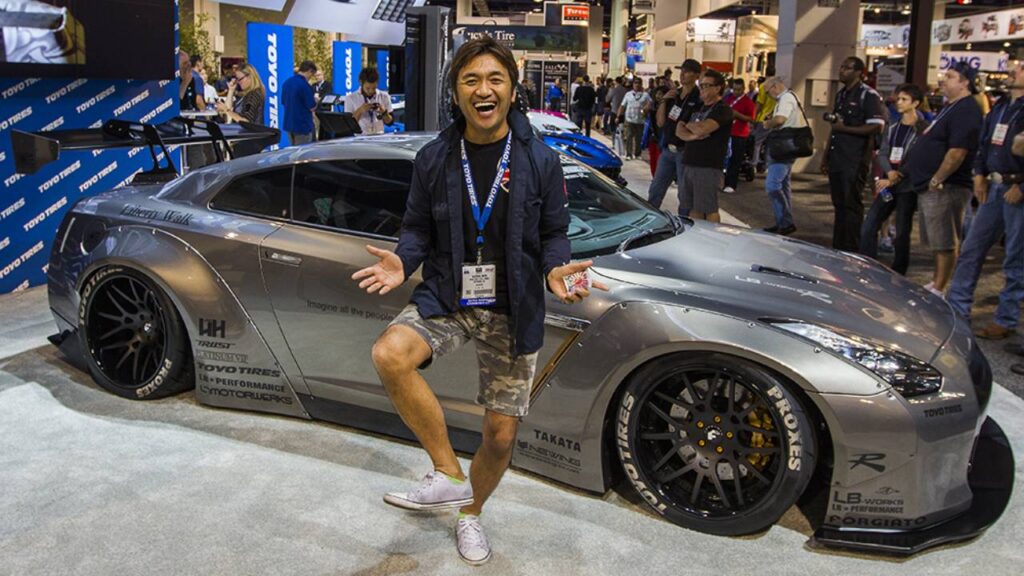
The LB-Works Signature: Bolted Fenders, Low Stance, and Deep-Dish Wheels
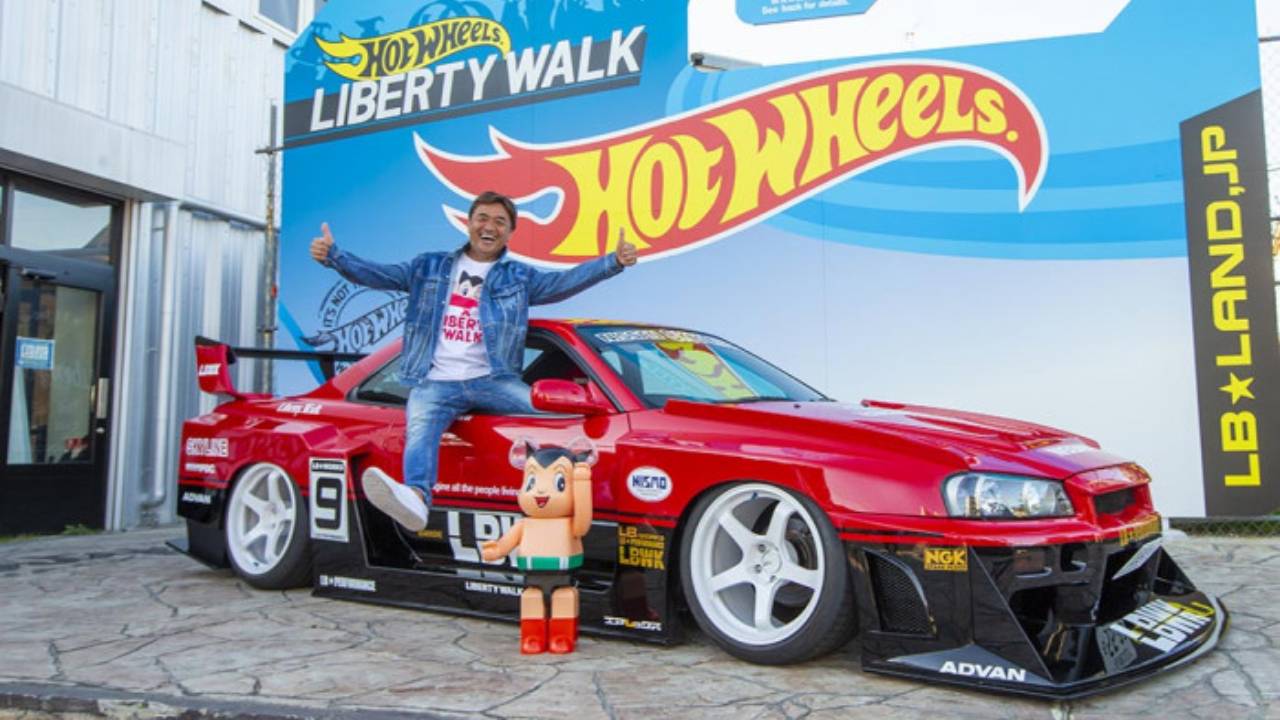
LBWK is most famous for its LB-Works kits, which are basically the brand’s visual DNA. These kits often feature wide bolt-on fender arches, large front splitters, rear diffusers, and bold spoilers like ducktails or GT wings. The bolted-on look is one of the most iconic parts. Some people call it “unfinished,” but Liberty Walk fans see it as raw motorsport energy. It reminds people of classic race cars that were modified quickly and brutally for performance. In reality, LBWK makes the bolts a design statement, and that’s what separates them from smoother widebody brands.
How Liberty Walk Turns Supercars Into Street Legends
One of the biggest reasons LBWK exploded worldwide is their work on supercars especially Lamborghini. The Aventador and Huracán became global posters for Liberty Walk’s identity. Seeing a Lamborghini already feels like witnessing a rare animal. But seeing one with LBWK wide fenders and an ultra-low suspension feels like watching a mythological creature. Interestingly, the kits don’t just make the cars look wider; they completely change the emotional vibe. A stock Lamborghini feels luxurious and elite. A Liberty Walk Lamborghini feels like it belongs to the underground, like it escaped a street racing universe.
LBWK and the JDM Culture: Why Nissan, Toyota, and Mazda Matter
While supercars attract the headlines, the heart of Liberty Walk still beats with JDM culture. LBWK has created kits for icons like the Nissan GT-R, Nissan Silvia, Mazda RX-7, and Toyota Supra. And honestly, this is where the brand feels most authentic. These cars already have a strong tuning history, so LBWK’s style doesn’t feel like “ruining” something expensive it feels like continuing a tradition. There’s also a cultural factor here: JDM fans love the idea of personal expression. Liberty Walk understands that. Their kits are not just products; they’re statements.
The “Super Silhouette” Series: A Retro Wave With 1980s Racing Energy
LBWK’s Super Silhouette series deserves special attention because it’s not just a body kit it’s a time machine. Inspired by 1980s Japanese racing, these builds look like futuristic retro machines. Cars like the LB-Super Silhouette Nissan Silvia S15 and Nissan Skyline take on exaggerated shapes, boxy fenders, massive wings, and bold aero parts that scream vintage motorsport. The design feels nostalgic and futuristic at the same time. Personally, I think this is Liberty Walk at its most creative. It’s not just about being wide it’s about telling a story through shape.
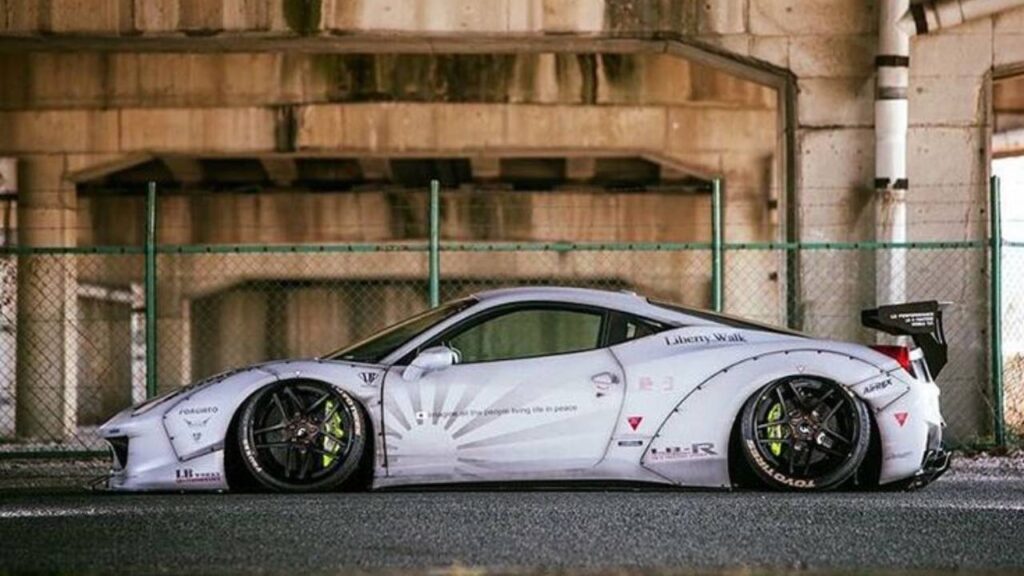
The Material Choice: Why FRP Is So Common in LBWK Kits
LBWK kits are often made using Fiber Reinforced Plastic (FRP), which is essentially reinforced fiberglass. Some people assume FRP is “cheap,” but that’s not the whole truth. FRP is popular in the tuning world because it’s relatively lightweight, durable, and easier to shape compared to metal. It also allows Liberty Walk to mass-produce complex designs while keeping costs lower than full carbon builds. Of course, carbon fiber options exist too, especially for premium customers. Still, FRP remains the signature material because it matches Liberty Walk’s practical street-tuning roots.
Manufactured in Japan: How Craftsmanship Adds to the Brand’s Credibility
One thing that gives Liberty Walk strong authority is that their kits are manufactured in Japan. This matters because Japan has a deep culture of precision automotive craftsmanship. Even when the designs look wild, there’s usually a sense of intentionality behind the lines. The panel gaps, the curvature, and the fitment are part of why LBWK is respected. Many widebody kits look aggressive in photos but messy in real life. LBWK’s consistency is what turns them from “internet hype” into a real global brand.
Why Liberty Walk Is So Controversial (and Why That’s a Marketing Weapon)
Liberty Walk’s controversy is not an accident it’s almost a strategy. Purists hate seeing rare cars cut, drilled, and modified. They see it as destroying history. Meanwhile, LBWK fans see it as freedom. That tension creates endless online debate, which fuels the brand’s visibility. From a branding perspective, it’s genius. People share LBWK builds not because they all love them, but because they react to them. And in the internet era, reaction is currency. In my opinion, Liberty Walk has mastered the art of being impossible to ignore.
Tokyo Auto Salon and the Global Stage: How LBWK Became Worldwide
LBWK’s presence at major events like Tokyo Auto Salon helped push the brand into the global spotlight. These events are basically the fashion weeks of car culture, and Liberty Walk always arrives with something dramatic. Their builds are designed for cameras, crowds, and viral moments. Over time, LBWK stopped being “a Japanese tuning company” and became a global symbol of extreme styling. Today, you can find LBWK builds in the United States, Europe, the Middle East, and Southeast Asia. It’s no longer niche. It’s a worldwide movement.
The Emotional Side of LBWK: Why People Feel Connected to the Style
Here’s the part most technical reviews miss: LBWK is emotional. People don’t buy these kits because they logically need them. They buy them because they want their car to feel alive. A Liberty Walk build makes a car look like it has a personality almost like it’s angry, proud, or fearless. And that emotional transformation is powerful. It turns a vehicle into a character. For many enthusiasts, that’s the dream. It’s not about transportation. It’s about identity.
“Read also: Moltbook Goes Viral, But AI Leaders Warn the Public to Avoid It“
LBWK vs Other Widebody Brands: What Makes It Different
There are many widebody brands out there, but LBWK feels different because of its rawness. Brands like Rocket Bunny, Pandem, and others also do bolt-on styling, but Liberty Walk has a more extreme and theatrical vibe. Their kits often look like they were designed for a movie set rather than a showroom. That theatrical energy is why LBWK builds dominate social media. If you want clean elegance, you go elsewhere. But if you want a car that looks like it could headline a cyberpunk street race, LBWK is the name.
Is LBWK “Too Much”? The Honest Answer Depends on the Owner
Some people ask if LBWK kits go too far. The honest answer is: sometimes, yes. But that doesn’t mean they’re wrong. LBWK is not built for everyone. It’s built for the owner who wants to be seen, who wants to be judged, who wants the car to feel like a loud declaration. If you’re the type who loves subtle luxury, LBWK might feel like chaos. However, if you love boldness, the kits feel like freedom. In my view, Liberty Walk is a reminder that car culture is not supposed to be polite.
How LBWK Reflects Modern Car Culture and the Future of Styling
LBWK is a symbol of where car culture is heading: more visual, more extreme, and more personality-driven. Social media changed the way cars are built. Builds are now designed not just for roads, but for photos and viral impact. Liberty Walk understands that better than most brands. Their designs are made for attention, and attention is now a major part of automotive value. Looking forward, LBWK’s influence will likely continue shaping how people define “cool” in the modification world.
Liberty Walk as a Blend of Rebellion and Craft
LBWK is not just a body kit company. It’s a cultural force. It represents the idea that cars can be art, rebellion, and identity all at once. While some will always call it controversial, the brand’s global success proves that people crave bold expression. Liberty Walk body kits might not be for everyone, but they were never meant to be. They exist for the enthusiast who wants their car to feel like a statement and in today’s world, that’s exactly why LBWK continues to dominate the conversation.