Toyota Revives the Lexus LFA as an EV and Launches 641-HP GR GT Supercar
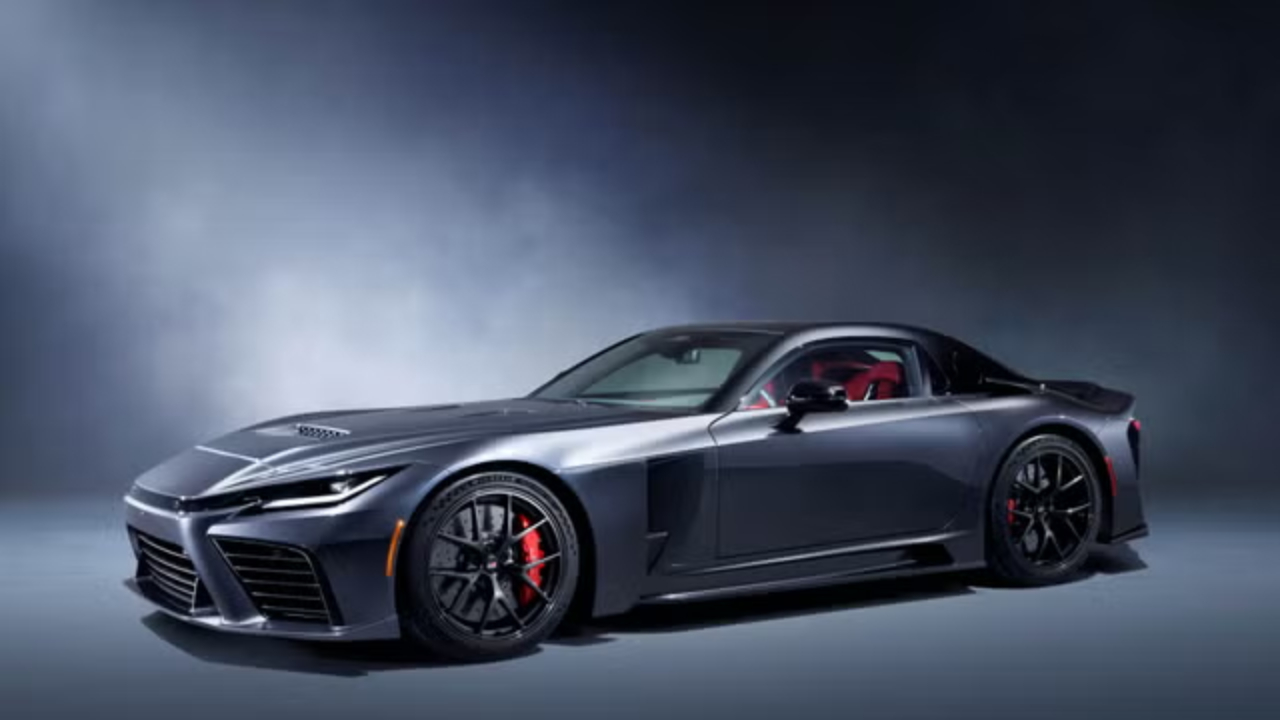
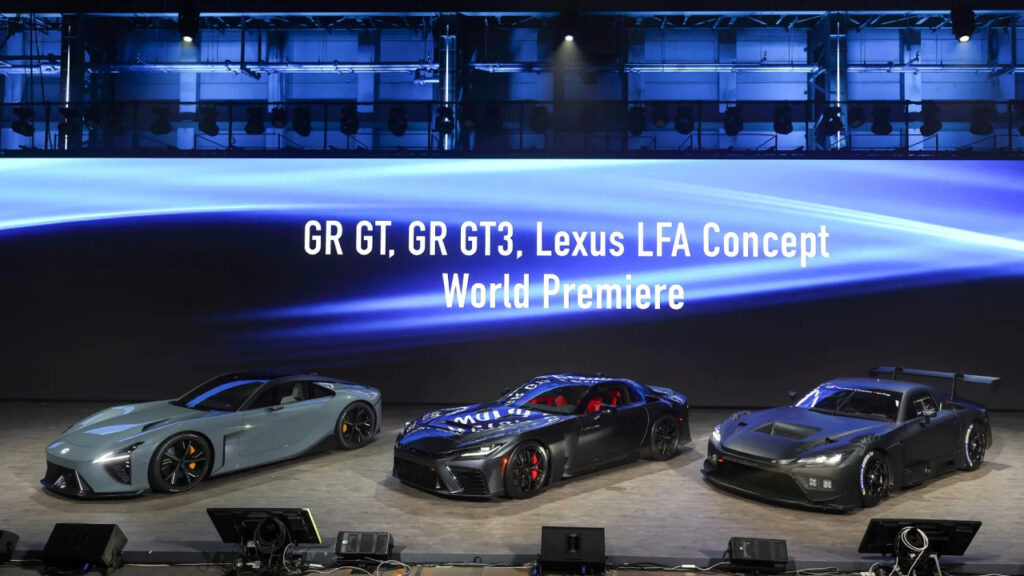
Bukemersanacokyakisir – Toyota is entering a bold new chapter in automotive performance, and the message is crystal clear. The company will revive the legendary Lexus LFA as a fully electric supercar while also debuting a new gasoline-powered GR GT/GT3 machine. As Toyota moves toward 2027, these two models illustrate how the brand intends to balance innovation with emotion. Consequently, fans of both electric and combustion performance now have something to anticipate.
“Read also: Trump Wants Asia’s Kei Cars in America: A New Auto Shift“
The Lexus LFA Returns Through Electric Ambition
The original Lexus LFA earned global admiration thanks to its hand-built V10 and unforgettable sound. Yet Toyota believes the legend can evolve. The upcoming LFA will rely on electric power, delivering instant torque and refined control. Moreover, this shift demonstrates Toyota’s belief that performance should adapt, not disappear. As a result, the LFA EV may become one of the most expressive electric supercars of its time.
A Gasoline Supercar Still Holds a Place in Toyota’s Future
Although Toyota is embracing electrification, the company refuses to abandon traditional performance engineering. Therefore, the GR GT/GT3 will feature a 641-horsepower gasoline engine designed for enthusiasts who still crave mechanical emotion. This dual-strategy approach reinforces Toyota’s belief that driving passion should come in many forms, not just one. Additionally, it shows that Toyota isn’t ready to let performance become homogenized in a fully electric era.
Akio Toyoda’s Philosophy Shapes the Whole Vision
Akio Toyoda has influenced Toyota’s performance culture for nearly two decades. Throughout his tenure, he pushed the company to create cars that feel alive rather than cold and technical. Furthermore, he has stated many times that cars should spark joy. As he prepares to hand over the master driver role, these new supercars carry his personal legacy forward. Consequently, both the LFA EV and GR GT/GT3 reflect a philosophy rooted in emotion, not just engineering.
Engineering Ambition Elevates the New LFA EV
The new Lexus LFA EV represents Toyota’s highest level of engineering ambition. Engineers are currently exploring lightweight materials, aerodynamic improvements, and next-generation battery systems. Additionally, solid-state batteries remain a possibility, which could significantly improve charging speeds and thermal stability. If Toyota succeeds, the LFA EV may challenge the industry’s most advanced electric supercars. This potential leap forward underscores Toyota’s determination to innovate rather than follow.
“Read also: Carlos Sainz Explains Williams’ Experimental Setup Behind Strong Qatar GP Qualifying“
Racing Development Continues to Guide Toyota’s Strategy
Toyota believes racing is essential to technological progress. Consequently, the GR GT/GT3 is expected to compete in GT motorsports, where engineers will gather real-time performance data. Insights from braking endurance, heat cycles, and chassis behavior will influence the road car versions. Moreover, Toyota’s long-standing success in endurance racing strengthens the credibility of this approach. Because of this, both supercars will benefit from authentic motorsport DNA.
Emotion Remains the Core of Toyota’s Performance Identity
Even as the industry changes, Toyota remains committed to emotional driving experiences. The brand wants cars that respond, communicate, and inspire confidence. Therefore, Toyota is offering two contrasting performance paths: one electric and one gasoline. Both exist to ensure that drivers can choose the experience that fits their passion. This decision also highlights Toyota’s refusal to let regulations erase the joy of driving.
A New Era Begins in 2027
Toyota expects the GR supercar lineup and the reborn Lexus LFA to launch around 2027. These two vehicles will symbolize the next generation of performance innovation under the Toyota and Lexus banners. They will also mark a pivotal moment when tradition and future ambitions meet. Ultimately, Toyota’s decision to build both supercars shows its commitment to passion, diversity, and technological leadership.