CEO of Toyota Discusses Challenges Facing Japan’s Automotive Industry in 2026
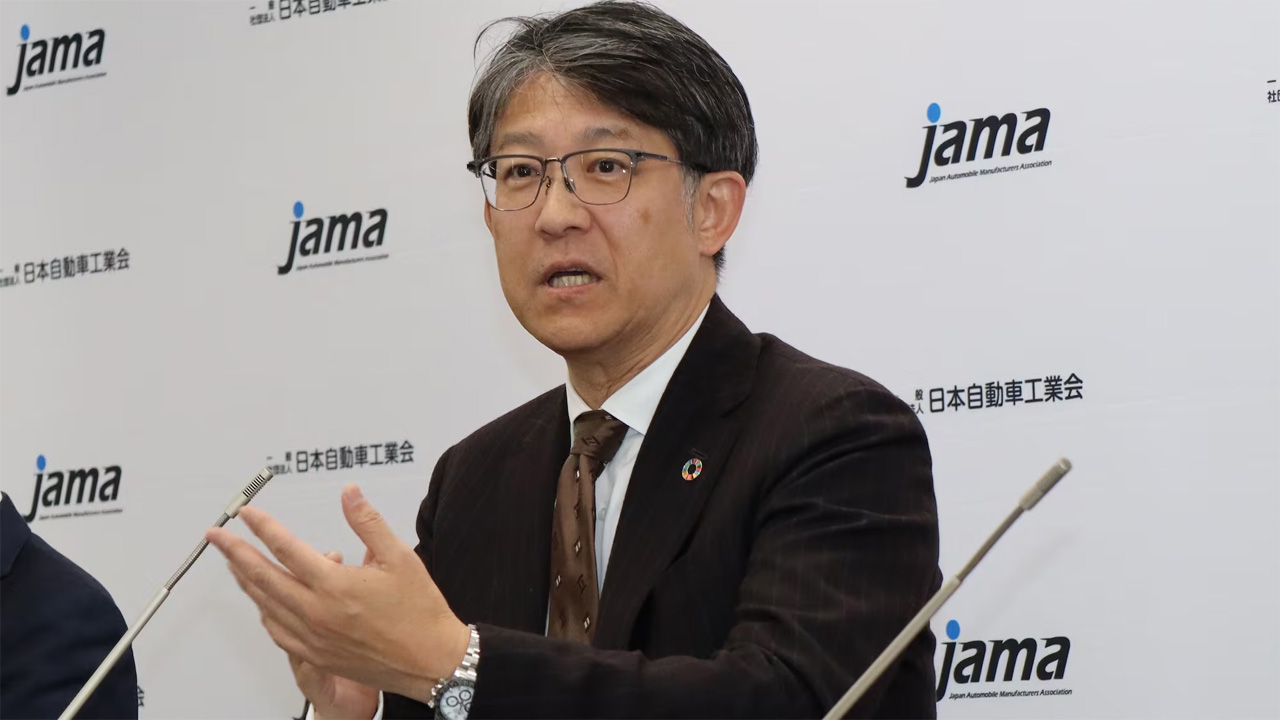
Bukemersanacokyakisir – Koji Sato, the CEO of Toyota Motor, recently discussed the challenges that Japan’s automotive industry faces in 2026. He stated that the industry is grappling with structural issues that could threaten its long-term sustainability. According to Sato, Japan’s automotive sector must address these challenges to remain competitive on a global scale.
Structural Issues Affecting Global Competitiveness
Sato identified seven key risks the Japanese automotive industry will face in 2026. A major concern is improving global competitiveness. Sato emphasized that Japan should no longer rely solely on traditional strengths. Instead, it must align its priorities more effectively to maintain its competitive edge.
Japan has valuable assets, including industry data, established supply chain management, and strong logistics capabilities. Sato suggests leveraging artificial intelligence (AI) to strengthen these assets, allowing for quicker and more efficient decision-making.
Heavy Reliance on Imports and Trade Uncertainty
Sato also pointed out Japan’s reliance on imports for essential materials like metals and lithium. This reliance has become problematic due to global trade uncertainty, such as possible tariffs from the United States and export controls from China. This situation adds further pressure on the industry.
Also Read : Middle East Conflict Triggers Major Disruptions to International Flights
Moreover, Japan’s competition in the electric vehicle market, software-based technologies, and autonomous driving has become more intense, especially with significant advances from China and the United States.
A Gradual Approach to Carbon Neutrality
Sato advocates for a gradual, pragmatic approach to achieving carbon neutrality. The roadmap created by the Japan Automobile Manufacturers Association (JAMA) emphasizes expanding the circular economy and reforming the country’s vehicle taxation framework. This system has become increasingly complex and burdensome for the industry.
Investment in Human Resources
The roadmap also highlights the importance of investing in human resources. Sato believes that Japan must attract global talent in software engineering and semiconductor development. These areas are crucial for advancing smart and connected vehicles, a key area for Japan’s automotive industry.
Strengthening the Supply Chain
The roadmap further stresses the need to strengthen competitiveness across the supply chain through standardization and production scaling. Japan’s recent semiconductor shortages revealed structural weaknesses that must be addressed to withstand future global disruptions.
Toyota’s Return to Leadership in the Automotive Lobby
Sato’s appointment as Chairman of JAMA marks Toyota’s return to leading Japan’s automotive lobby, after a period of absence. This underscores the strategic importance of the automotive sector to Japan’s economy, which supports over five million jobs and is a key pillar of the national industrial base.