Frank Stephenson Questions Whether the New Ferrari Testarossa Truly Honors Its Legendary Legacy
Bukemersanacokyakisir – Reviving a legendary sports car always brings enormous expectations, especially when the model carries a name as iconic as the Ferrari Testarossa. Every design decision invites close scrutiny because enthusiasts expect modern innovation without sacrificing the spirit of the original. Renowned automotive designer Frank Stephenson recently shared his thoughts on the new Ferrari 849 Testarossa, offering both praise and criticism. While he acknowledged several impressive design elements, he also argued that the new model struggles to capture the emotional identity that made the original Testarossa one of Ferrari’s greatest automotive legends.
A Legendary Name Carries Extraordinary Expectations
The Ferrari Testarossa remains one of the most recognizable supercars ever created. Its distinctive styling, powerful performance, and unmistakable presence defined an entire generation of automotive enthusiasts. Consequently, any successor must do far more than introduce modern technology. It must also preserve the personality and emotional appeal that transformed the original into a timeless cultural icon admired across the world.
Frank Stephenson Shares an Honest Design Assessment
Frank Stephenson believes reviving a legendary vehicle resembles remaking a beloved classic movie. Success earns admiration, while failure often disappoints passionate fans. According to Stephenson, Ferrari should always express elegance, speed, and sophisticated athleticism. Although the new Ferrari 849 introduces bold styling elements, he believes several design decisions move too far away from the brand’s traditional visual identity.
Also Read : Shah Rukh Khan Inaugurates LA Knight Riders’ New Stadium to Welcome the 2028 Olympics
Front-End Styling Feels Too Mechanical
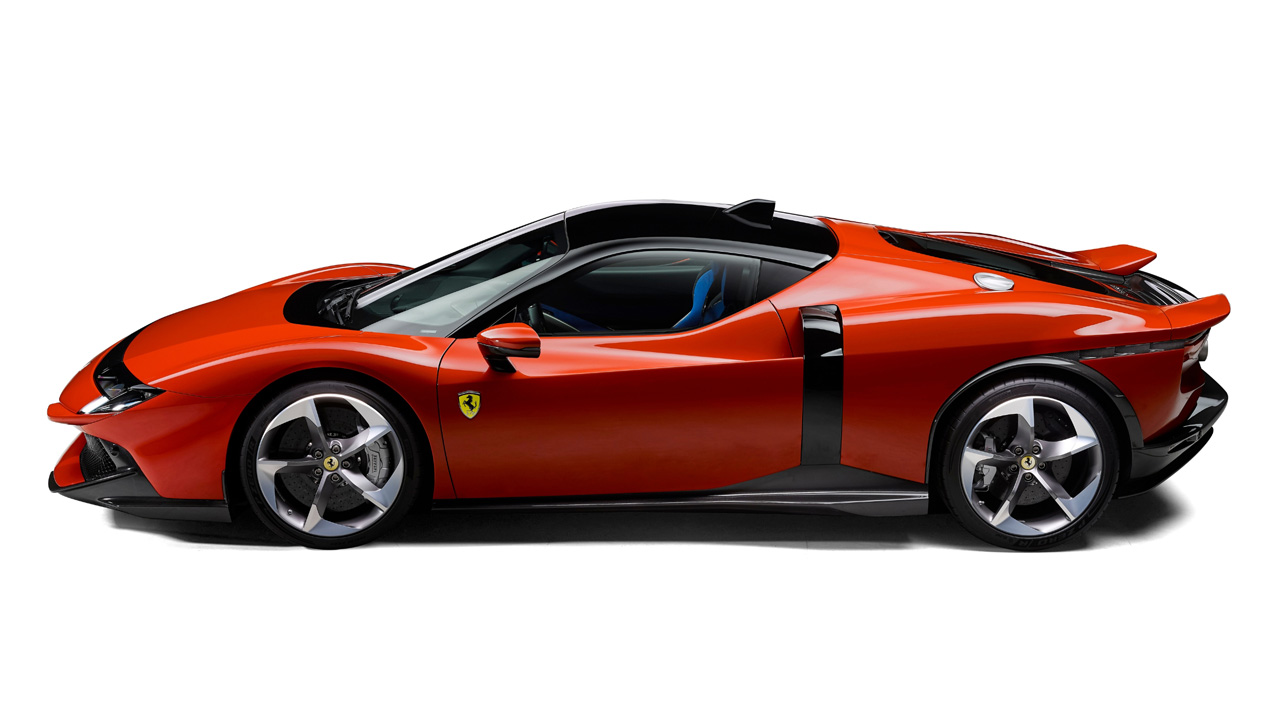
Stephenson argues that the front section relies heavily on repeated horizontal and parallel lines. In his opinion, these design elements create a static appearance instead of expressing movement and excitement. While the designers attempted to soften the look with flowing surfaces inspired by classic racing prototypes, the overall composition appears divided rather than unified. As a result, the front lacks the emotional impact expected from a Ferrari.
Strong Proportions Improve the Side Profile
Despite his criticism, Stephenson praises the car’s overall proportions. He especially appreciates the continuous character line that visually connects the front and rear sections. This flowing profile creates harmony and reinforces the vehicle’s athletic stance. Nevertheless, he questions the vertical black intake graphic because it appears disconnected from the rest of the bodywork and interrupts the otherwise balanced design.
Several Exterior Details Feel Incomplete
Stephenson also points to several design elements that seem disconnected from the overall concept. The black trim near the rear quarter and the small ventilation opening fail to establish a clear visual relationship with surrounding surfaces. Instead of strengthening the design language, these features appear added late in the development process. Consequently, they reduce the overall cohesiveness of the exterior.
Early Design Sketches Showed Greater Potential
According to Stephenson, the earliest concept sketches revealed a much stronger design direction. Those illustrations featured a clearer separation between the painted body and the lower carbon-fiber section. They also integrated the vertical black graphic more naturally with the cabin. However, many of those defining characteristics disappeared before production, causing the final design to lose some of its original visual identity.
The Testarossa Name Deserves More Than Nostalgia
For many enthusiasts, the Testarossa name represents far more than a Ferrari model. It symbolizes the glamour, confidence, and bold automotive styling of the 1980s. The original supercar inspired countless enthusiasts and became a permanent part of automotive culture. Stephenson believes that such an iconic name requires a successor capable of delivering the same emotional connection rather than relying solely on heritage.
Modern Design Must Respect Automotive Heritage
Frank Stephenson concludes that creating a modern interpretation of an icon requires careful balance. Designers must embrace new technologies while preserving the emotional qualities that made the original unforgettable. Although the Ferrari 849 Testarossa introduces impressive engineering and contemporary styling, Stephenson believes it falls short of fully honoring its legendary predecessor. Ultimately, he argues that true automotive icons demand both innovation and respect for their timeless heritage.