The Origin of the Ford Mustang Name: Was It Really Inspired by a Wild Horse?
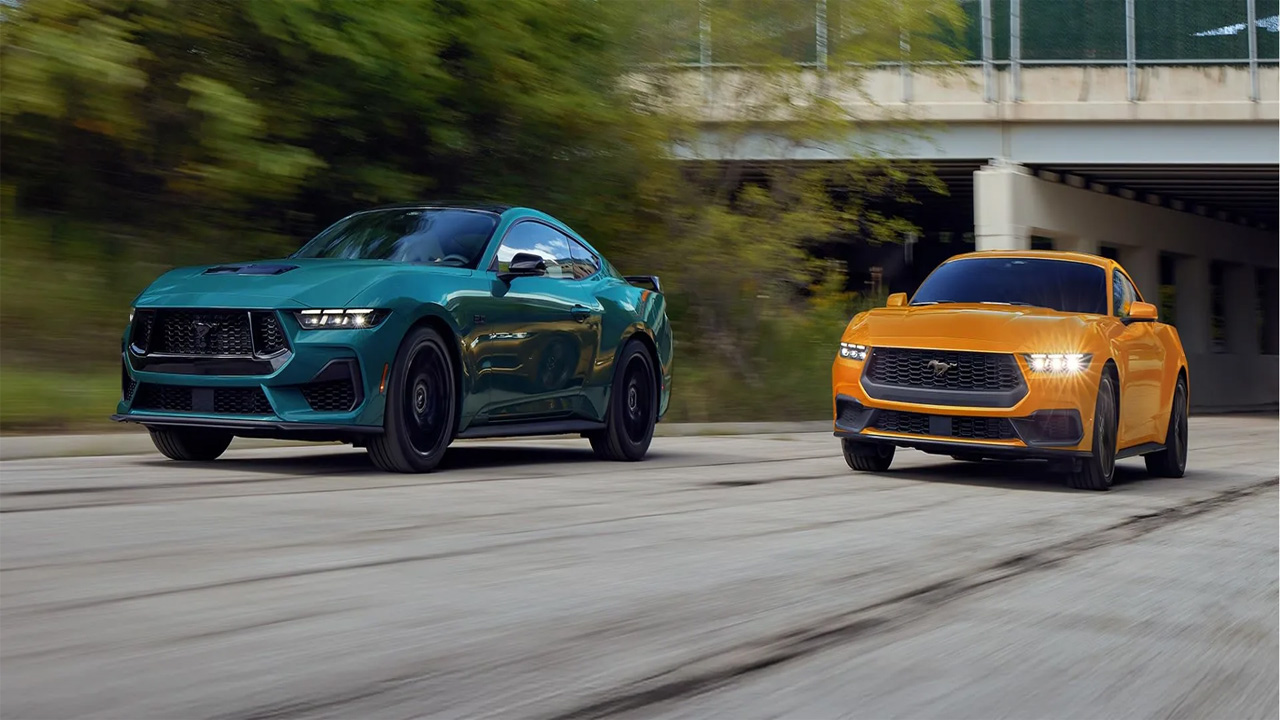
Bukemersanacokyakisir – Among the many models ever produced by Ford, the Mustang stands as one of the most legendary. Since its debut in 1964, the Ford Mustang has evolved into more than just a muscle car. It has become a symbol of American culture, performance, and freedom. The iconic running horse emblem mounted on its grille represents power, independence, and untamed spirit.
However, behind the bold badge lies a long-debated question: was the name “Mustang” truly inspired by a wild horse? Or does the story trace back to a different source entirely? The history of the Ford Mustang name reveals a more layered narrative than many assume.
Early Inspiration: The P-51 Mustang Fighter Plane
Most automotive historians and former Ford insiders agree that the original inspiration for the Mustang name came from aviation. Specifically, it was linked to the legendary World War II fighter aircraft, the North American P-51 Mustang.
John Najjar, a Ford designer and executive involved in the car’s early development, was reportedly fascinated by the aircraft. The P-51 Mustang was widely regarded as one of the most effective American fighter planes of its era. With exceptional range and performance, it escorted bombers on long missions from England deep into German territory.
For Najjar, the P-51 Mustang embodied speed, strength, and American engineering excellence. He believed the name would perfectly capture the spirit of Ford’s upcoming sporty, youth-oriented vehicle.
Also Read : Half a Million Indonesian Citizens in a Vulnerable Situation Amid Escalating Conflict
Initial Resistance from Ford Executives
Despite the compelling aviation connection, Ford’s top management initially hesitated. The name “Mustang,” strongly associated with a military aircraft, was considered too closely tied to aviation. Executives questioned whether consumers would connect emotionally with a fighter plane reference.
Moreover, incorporating an airplane-themed logo was seen as less appealing from a marketing standpoint. Ford needed a visual identity that would resonate broadly and create an immediate emotional impact.
As a result, the concept shifted. While the name remained, its interpretation gradually evolved toward a more accessible and symbolic meaning.
The Wild Horse Connection Gains Strength
Following internal discussions, Najjar and other team members began linking the name Mustang to the American wild horse. Mustangs are known for roaming freely across open landscapes, symbolizing independence and untamed power.
This interpretation aligned perfectly with the image Ford wanted for its new sports car. The idea of a wild horse suggested speed, agility, and freedom—qualities that resonated strongly with the American public in the 1960s.
From a branding perspective, the wild horse proved far more compelling than a fighter jet. It offered a powerful visual identity that was both dynamic and emotionally engaging. Ultimately, the running horse became the defining symbol of the Ford Mustang.
Alternative Theories Behind the Name
In addition to the aircraft and wild horse narratives, other theories have surfaced over the years. One suggests that the name was inspired by the book The Mustangs by J. Frank Dobie. The book was reportedly read by Robert J. Eggert, Ford’s market research manager and a horse enthusiast.
Another theory links the name to the Southern Methodist University (SMU) Mustangs, a college football team. However, this explanation has received limited support among historians and former Ford executives.
While these alternative accounts add intrigue, the most widely accepted explanation remains a blend of aviation heritage and the symbolic power of the wild horse.
The Evolution of the Running Horse Emblem
From the outset, Ford designers agreed that the running horse would serve as the Mustang’s visual identity. Interestingly, the horse in the emblem faces left. This differs from SMU’s logo, where the horse faces right.
Some interpret the left-facing direction as symbolizing a wild horse running westward, echoing America’s spirit of expansion and exploration. In early models from 1965 to 1966, the running horse was paired with red, white, and blue tri-bars to emphasize its American roots.
Over time, the emblem evolved alongside the car itself. By 2010, the horse design was updated to appear more aggressive, with a slightly raised head to convey greater speed and intensity. In the sixth-generation Mustang, particularly the EcoBoost variant, the standalone horse badge on the rear distinguished the turbocharged four-cylinder model from its V6 and V8 counterparts.
More Than a Name: A Cultural Icon
Regardless of its precise origin, the Ford Mustang name has grown far beyond its initial inspiration. Today, it represents performance, heritage, and enduring appeal in the global automotive industry.
So, was the Ford Mustang named after a wild horse? The answer is both yes and no. While the name was originally inspired by the P-51 Mustang fighter plane, its identity and branding were ultimately shaped by the powerful symbolism of the American wild horse.
In the end, it is this blend of aviation history and untamed freedom that transformed the Mustang into one of the most recognizable automotive icons in the world.