Ford Advances EV Strategy with New Battery Development Center
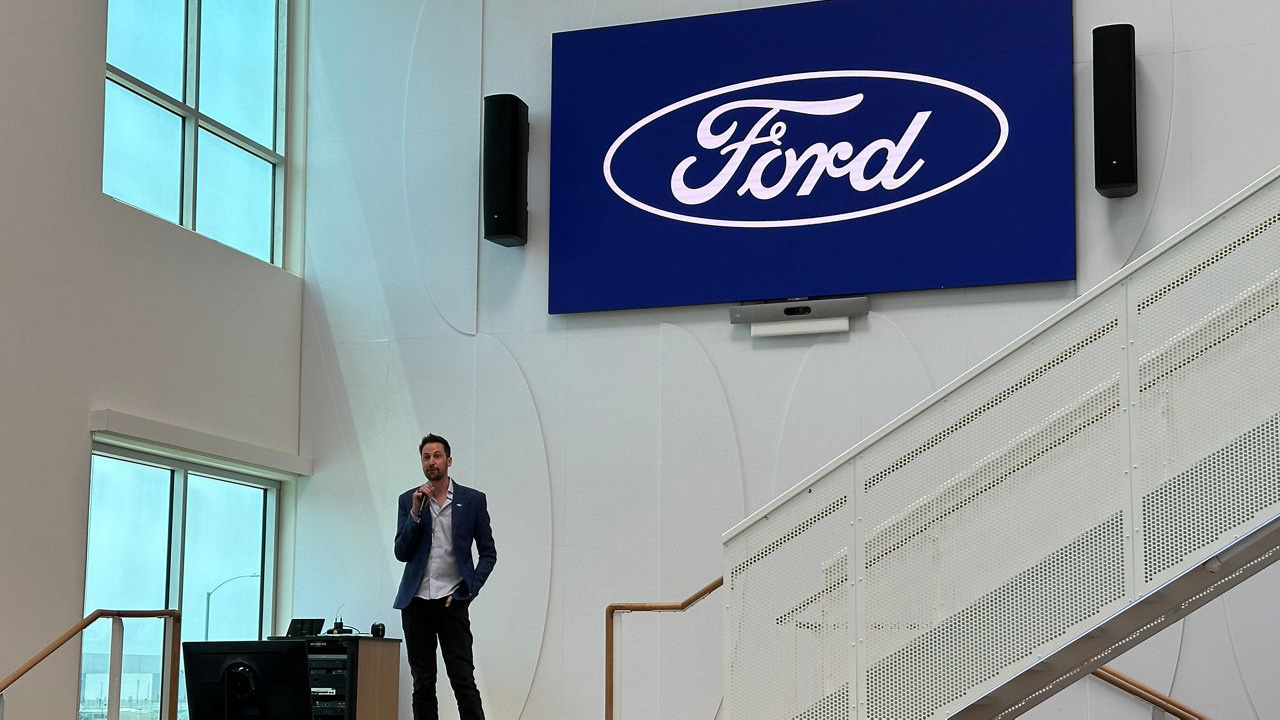
Bukemersanacokyakisir – Ford Motor Co. is accelerating its electric vehicle strategy with plans to develop and eventually manufacture its own EV batteries. The automaker will open a dedicated battery development center near Detroit by the end of next year. This move marks a major shift from its previous reliance on outside suppliers.
The new facility, named Ford Ion Park, highlights the company’s ambition to control a core EV technology. As the shift away from internal combustion engines speeds up, Ford wants greater control over both innovation and supply.
$185 Million Investment in Ford Ion Park
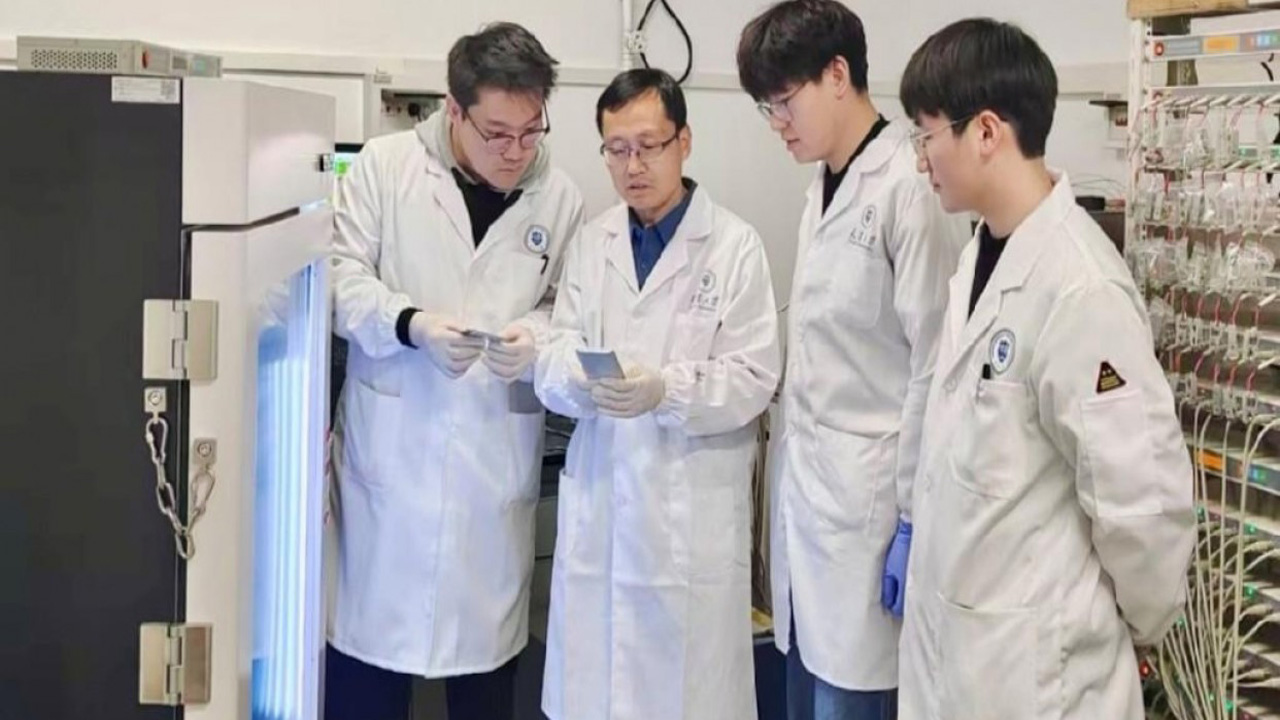
The battery development center will cover about 200,000 square feet. Ford is investing $185 million in the project. The lab will design and test battery cells and packs. It will also support limited small-scale manufacturing.
Engineers at the site will develop electronic controls and related systems. The goal is to bring more of the EV process in-house. Initially, around 150 employees will work at the center. Many of them already work at existing Ford facilities in Michigan.
Ford has not disclosed the exact location in Southeast Michigan. However, the company confirmed that the center will serve as a long-term hub for battery research.
Baca Juga : Asian Stocks Rally as Tech Sector Rebounds on Strong Nvidia Earnings
A Clear Shift Toward Vertical Integration
Under CEO Jim Farley, Ford is rethinking its supply strategy. In the past, the company depended heavily on battery suppliers. Now, it aims to build stronger internal capabilities.
Chief Product and Operations Officer Hau Thai-Tang said the EV market is entering a rapid growth phase. According to him, electric vehicles are moving from early adopters to a broader audience.
“We now see that the market will develop very quickly,” Thai-Tang said. “We believe we will have enough scale to justify deeper integration.”
In the long run, Ford plans to manufacture batteries at scale globally. Even so, partnerships with suppliers, universities, and startups may continue.
Supply Chain Risks Speed Up the Plan
Recent supply chain disruptions have reshaped the auto industry. Semiconductor shortages exposed weaknesses in global sourcing models. At the same time, competition for raw materials such as lithium and nickel has intensified.
A trade dispute also raised concerns for Ford. The U.S. International Trade Commission ruled that SK Innovation misused trade secrets from LG Energy Solution. That decision threatened battery supplies for the electric Ford F-150.
Although the companies later reached a $1.8 billion settlement, the incident underscored supply risks. As a result, Ford appears determined to reduce dependence on third parties.
Industry-Wide Race for Battery Control
Other automakers are taking similar steps. Volkswagen, General Motors, and Stellantis are investing in in-house battery development. Some are forming joint ventures with specialized partners.
Industry analysts argue that batteries are becoming a core competency. In the past, engines and transmissions defined automakers. Today, battery cells and electric motors hold that role.
As EV production scales up, paying supplier markups becomes more costly. Therefore, controlling battery technology offers both security and financial advantages.
Supporting U.S. Climate Goals
Ford has also discussed its EV transition with the Biden administration. Federal climate policy strongly promotes electric vehicle adoption. Domestic battery development aligns with those national goals.
By investing in Ford Ion Park, the company strengthens its position in the evolving EV market. More importantly, it signals that battery technology is central to Ford’s future strategy.
In the era of electrification, control over batteries is no longer optional. It is a defining factor in long-term competitiveness.