Isuzu D-Max EV Introduces an Electric Pickup Built for Modern Work
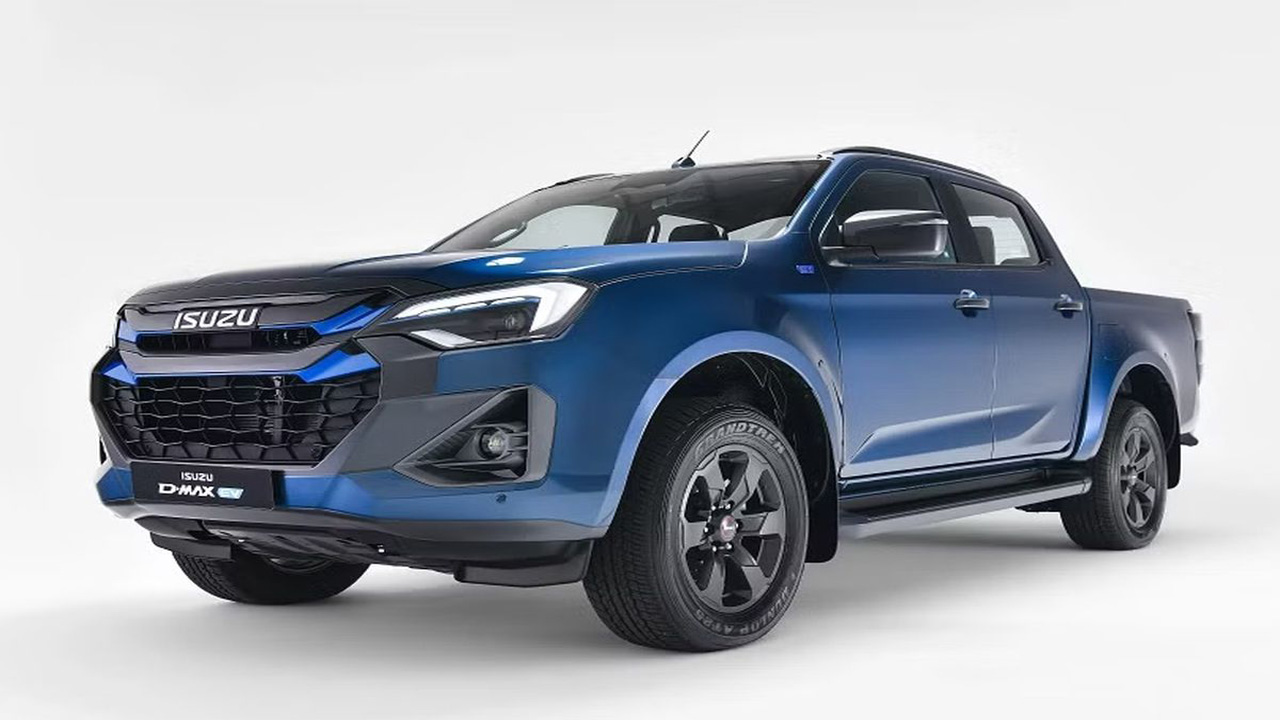
Bukemersanacokyakisir – The transition toward electric commercial vehicles continues to gain momentum, and Isuzu has officially entered the segment with the all-new D-Max EV. Designed for businesses rather than private buyers, this electric pickup combines the familiar durability of the diesel-powered D-Max with a fully electric drivetrain. While it delivers practical towing capability, impressive payload capacity, and zero-emission driving, it also faces important challenges, including limited driving range and a premium purchase price. Nevertheless, the D-Max EV marks an important milestone as Isuzu expands its lineup for customers seeking cleaner transportation solutions.
A Familiar Pickup with an Entirely New Electric Heart
At first glance, the Isuzu D-Max EV looks almost identical to the conventional diesel model that has served customers since 2021. However, beneath its rugged exterior lies a completely different powertrain. Instead of a 1.9-liter turbo diesel engine, Isuzu equips the pickup with two electric motors that produce a combined 200 horsepower and 256 lb-ft of torque. The dual-motor setup also provides permanent all-wheel drive, giving the vehicle strong traction across challenging terrain. As a result, drivers receive smooth acceleration while maintaining the dependable work-focused character that has made the D-Max popular for years.
Battery Capacity Prioritizes Daily Business Operations
Power comes from a 66.9 kWh battery pack with approximately 64 kWh of usable capacity. According to the official WLTP cycle, the pickup delivers a driving range of up to 163 miles on a full charge. Although that figure falls behind many modern electric SUVs, Isuzu intentionally designed the vehicle for businesses that complete shorter daily routes. Construction companies, maintenance teams, utility providers, and agricultural operators often return to the same base every evening. Therefore, overnight charging becomes a practical solution for many commercial fleets.
Interior Focuses on Durability Instead of Luxury
Inside the cabin, the D-Max EV stays true to its practical philosophy. Drivers will recognize the durable dashboard, straightforward controls, and functional layout from the diesel version. The analog gauges now display battery and energy information, while the infotainment system remains easy to operate. Instead of chasing futuristic styling, Isuzu prioritizes reliability and familiarity. Consequently, fleet operators can transition to the electric version without spending extra time retraining drivers or adapting to an entirely new interior design.
Also Read : Reese Witherspoon Makes Debut Appearance with Boyfriend Oliver Haarmann
Payload and Towing Performance Remain Competitive
One of the biggest strengths of the D-Max EV is its ability to maintain commercial-grade capability. Isuzu offers a payload exceeding one tonne, allowing many businesses to retain valuable tax benefits in certain markets. Furthermore, the pickup can tow up to 3.5 tonnes, matching the capability of its diesel counterpart. These figures also place it ahead of several competing electric pickups. For companies that regularly transport equipment, trailers, or heavy materials, those capabilities remain essential for everyday operations.
Driving Experience Feels Smoother and Much Quieter
The electric drivetrain transforms how the D-Max performs on the road. Without the traditional diesel engine, acceleration becomes smoother, quieter, and more responsive. The pickup reaches 62 mph in approximately 10.1 seconds, making it noticeably quicker than the diesel model. Drivers also benefit from regenerative braking with multiple selectable levels. Strong regeneration even allows near one-pedal driving during city traffic. Consequently, the vehicle feels more refined while maintaining the confidence expected from a work-oriented pickup truck.
Charging Speed and Driving Range Create the Biggest Challenges
Despite its practical strengths, the D-Max EV cannot escape its biggest limitation. Public DC charging reaches a maximum speed of only 50 kW, requiring about one hour to recharge from 20 to 80 percent. Home or workplace AC charging at 11 kW takes roughly ten hours for a full battery. While overnight charging suits predictable business schedules, companies operating around the clock may find these charging times restrictive. Additionally, the relatively short driving range limits flexibility during longer work assignments or unexpected travel.
Business Buyers Will Benefit More Than Private Owners
Isuzu clearly developed the D-Max EV with commercial customers in mind. Companies pursuing carbon reduction goals may appreciate its zero-emission capability and attractive business tax advantages available in some regions. Fleet operators also gain lower operating costs through reduced fuel expenses and simplified maintenance requirements. However, private buyers may struggle to justify the significantly higher purchase price compared with the conventional diesel version. Therefore, the electric D-Max appeals primarily to organizations instead of individual consumers.
Pricing Reflects Its Specialized Commercial Position
The D-Max EV enters the market with premium pricing that reflects its advanced electric technology. Depending on the selected trim level and body style, prices begin at approximately £60,000 before applicable taxes. Government incentives can reduce the overall purchase cost, making the pickup more competitive for business fleets. Nevertheless, the electric version still commands a substantial premium over the diesel alternative. Buyers must carefully evaluate whether lower running costs and environmental benefits outweigh the higher initial investment.
The Isuzu D-Max EV Signals the Future of Electric Work Vehicles
The Isuzu D-Max EV proves that electric pickups can successfully serve demanding commercial environments without sacrificing essential utility. It delivers impressive towing strength, strong payload capacity, quiet performance, and dependable all-wheel drive. However, limited driving range, slower charging speeds, and premium pricing prevent it from becoming a mainstream choice today. Even so, the D-Max EV represents an important first step toward the electrification of work vehicles. As battery technology continues to improve, future generations will likely become even more capable, efficient, and attractive for businesses around the world.