Polestar Faces US Sales Ban Under New Connected Vehicle Rules
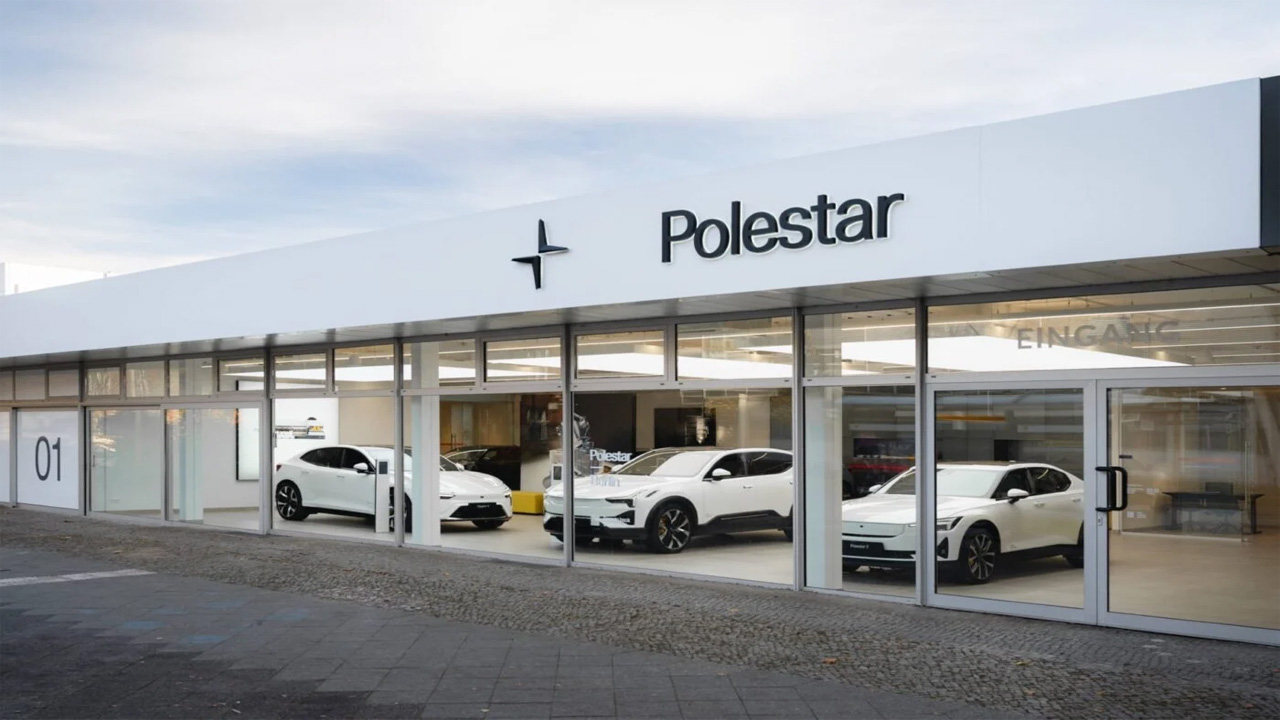
Bukemersanacokyakisir – The global electric vehicle industry is entering another period of rapid change as new regulations reshape how automakers operate across international markets. One of the biggest developments involves Polestar, which confirmed that it will no longer be allowed to sell new vehicles in the United States starting with the 2027 model year. The decision stems from new federal regulations targeting connected vehicle technology linked to China and Russia. As a result, Polestar must rethink its long-term strategy while continuing to support existing customers. Meanwhile, the company plans to accelerate its expansion across Europe and several emerging markets where demand for premium electric vehicles continues to grow.
New US Regulations Change the EV Landscape
The United States Department of Commerce introduced the Connected Vehicle Rule to strengthen national security. Under this regulation, new vehicles containing connected hardware or software linked to China or Russia cannot enter the American market. Officials argue that connected vehicles collect significant amounts of data, making cybersecurity a growing concern. Consequently, manufacturers that depend on Chinese technology now face serious challenges. This policy marks an important shift in the automotive industry because software and digital connectivity have become essential components of modern electric vehicles.
Why Polestar Is Affected by the New Rule
Polestar finds itself directly impacted because its ownership structure and manufacturing operations have strong ties to China. The company belongs to Geely, while several of its key models, including the Polestar 2, Polestar 4, and Polestar 5, are produced in Chinese factories. Even the Polestar 3, which is assembled in the United States, cannot escape the restriction because the regulation also considers connected software and supply chain origins. Therefore, production location alone does not determine compliance with the new federal requirements.
Current Customers Will Continue Receiving Support
Although future vehicle sales will stop in the United States, Polestar emphasized that it remains committed to its current customer base. Existing inventory of the Polestar 3 and Polestar 4 will continue to be available until stocks are exhausted. Furthermore, the company confirmed that maintenance, servicing, and customer support will remain available after its official market withdrawal. This approach helps reassure owners that they will continue receiving technical assistance despite the upcoming change in Polestar’s American business operations.
Also Read : Big News for Tennis Fans: Wimbledon Confirmed to Remain Free-to-Air
Europe Becomes Polestar’s Main Growth Market
Rather than focusing on the shrinking US opportunity, Polestar plans to strengthen its position across Europe. Company executives believe Europe offers the strongest long-term growth potential for premium electric vehicles. In addition, production of the upcoming Polestar 7 will take place in Europe, aligning manufacturing with regional demand. This strategy also reduces exposure to geopolitical risks while creating a more resilient supply chain. As European EV adoption continues to expand, Polestar expects the region to become its primary source of future sales.
Expansion Continues Beyond Europe
Besides Europe, Polestar intends to increase its presence in several international markets. Southeast Asia, Eastern Europe, Latin America, and Canada have become important targets for future expansion. These regions continue investing heavily in electric mobility while offering growing consumer demand. Moreover, governments across these markets are introducing policies that encourage EV adoption. By diversifying its global footprint, Polestar hopes to reduce dependence on any single region and strengthen its international competitiveness over the coming years.
Upcoming Models Keep Product Development Moving
Despite losing access to the US market, Polestar continues investing in new products. Customer deliveries of the highly anticipated Polestar 5 will begin soon after receiving positive feedback from automotive journalists worldwide. Additionally, the company plans to introduce a new version of the Polestar 4 later this year. Looking ahead, an all-new Polestar 2 is expected to debut in 2027, followed by the compact Polestar 7 SUV. These launches demonstrate that the company remains focused on innovation despite changing market conditions.
Industry Competition Continues to Intensify
The electric vehicle sector has become increasingly competitive as established manufacturers and new brands introduce advanced technologies. At the same time, governments worldwide continue adjusting regulations that influence production, software, and international trade. Consequently, automakers must remain flexible while adapting to new compliance standards. Companies capable of balancing innovation with regulatory requirements will likely maintain stronger positions in the evolving global EV market. Polestar’s recent experience highlights how geopolitical factors now play a greater role in automotive strategy than ever before.
Polestar Looks Beyond the US for Future Success
Although the US sales ban represents a significant challenge, Polestar appears determined to move forward with a broader global vision. The company’s leadership believes that strong product development, expanding international markets, and continued investment in premium electric vehicles will support long-term growth. By concentrating resources on Europe and other promising regions, Polestar hopes to maintain momentum despite losing one of the world’s largest automotive markets. Ultimately, the company’s future will depend on its ability to adapt quickly while continuing to deliver innovative electric vehicles that appeal to customers worldwide.